

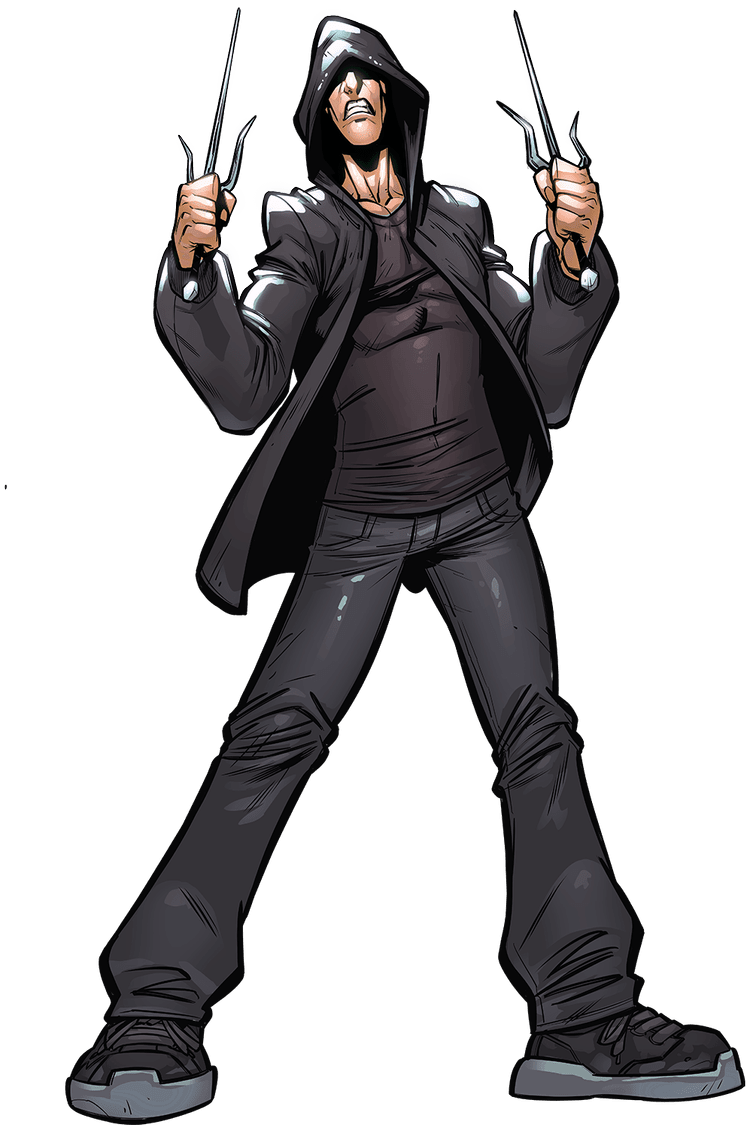
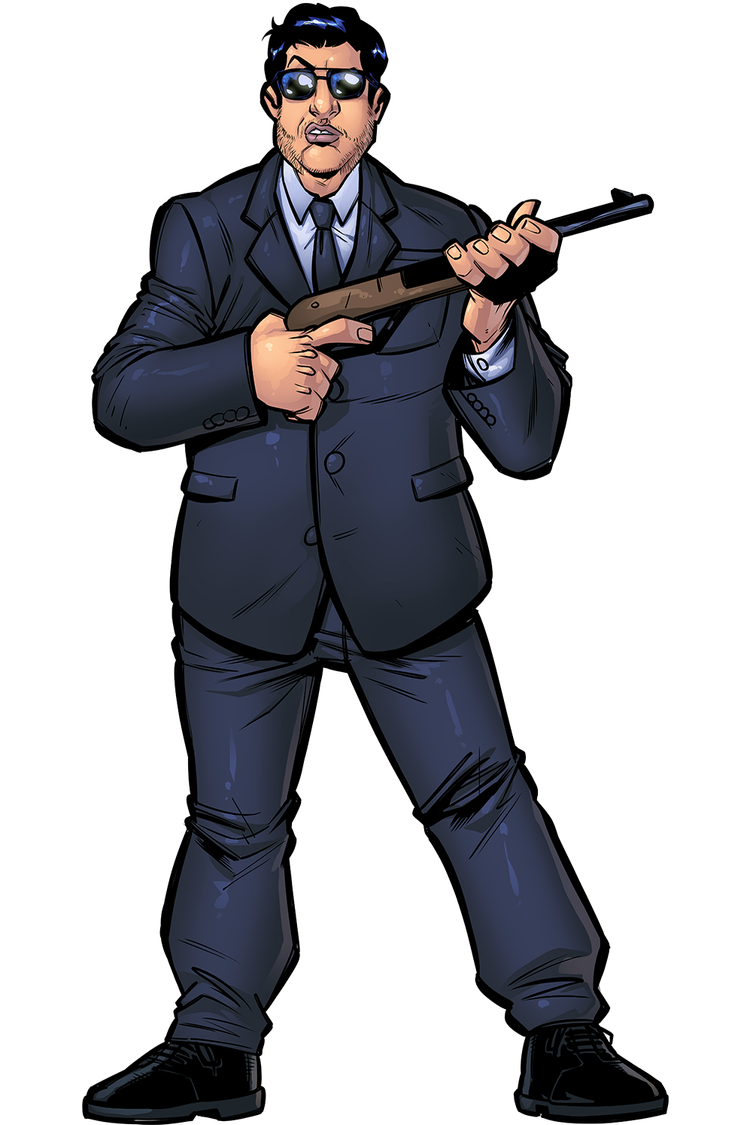
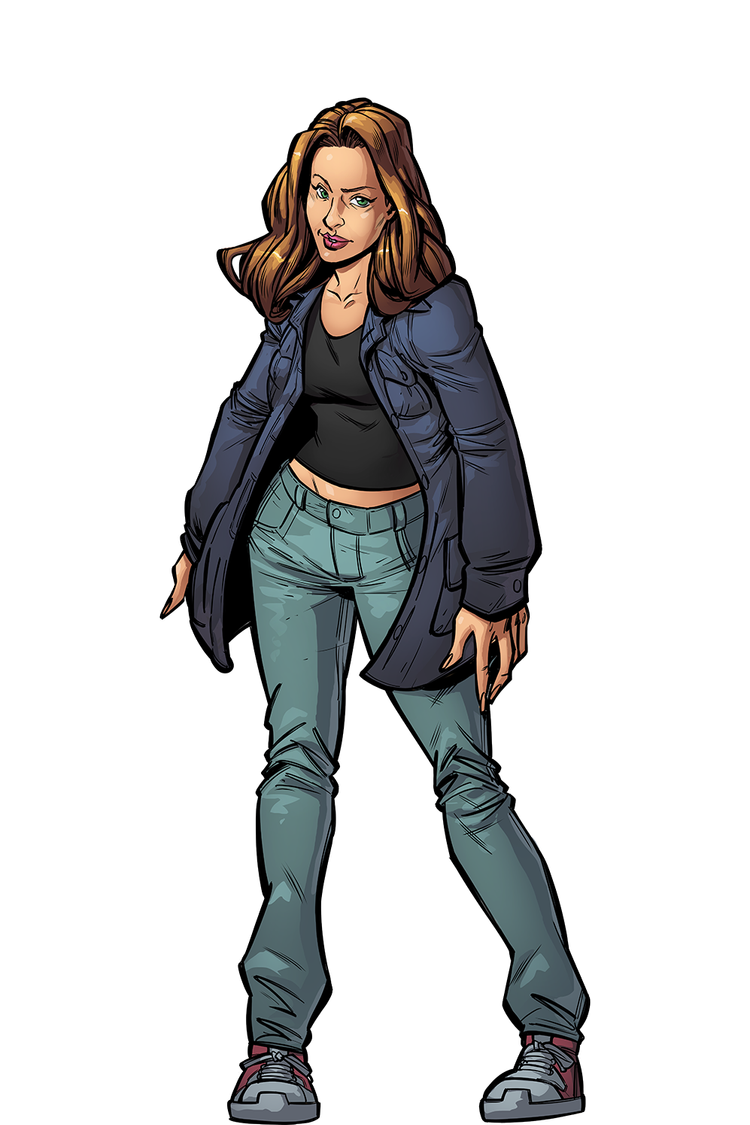
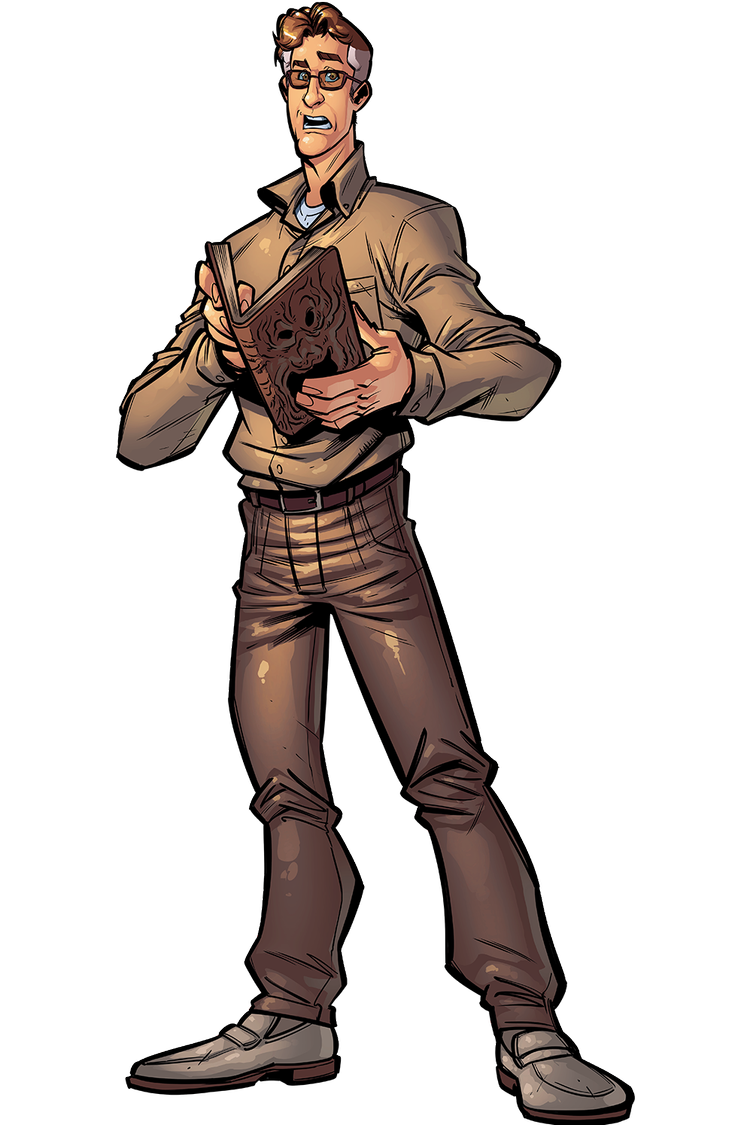
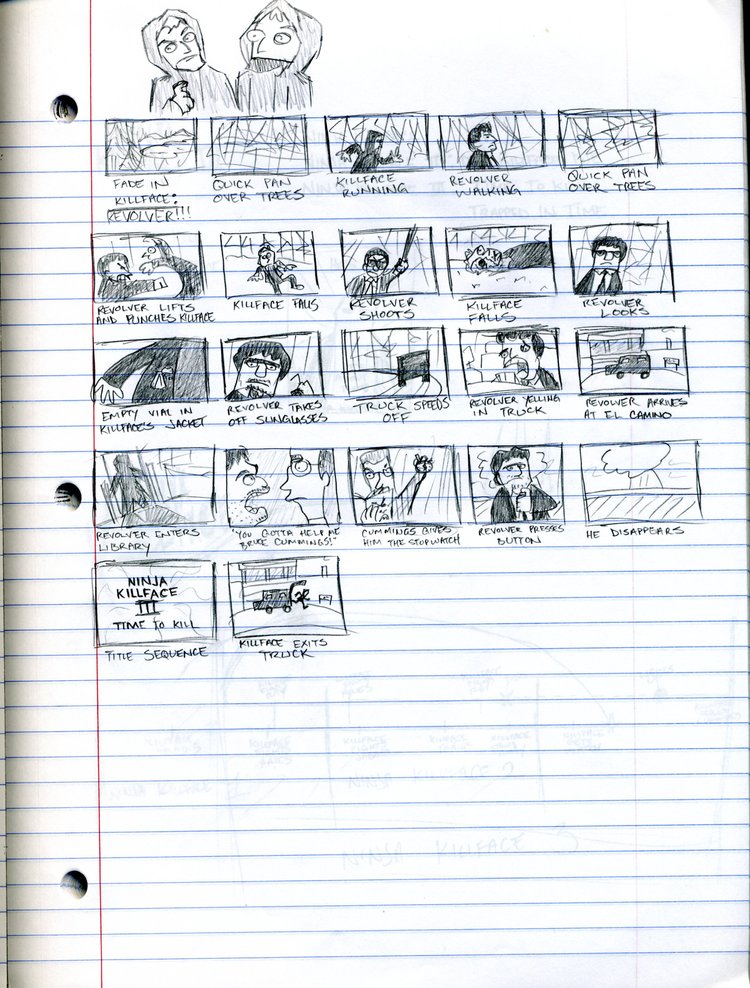
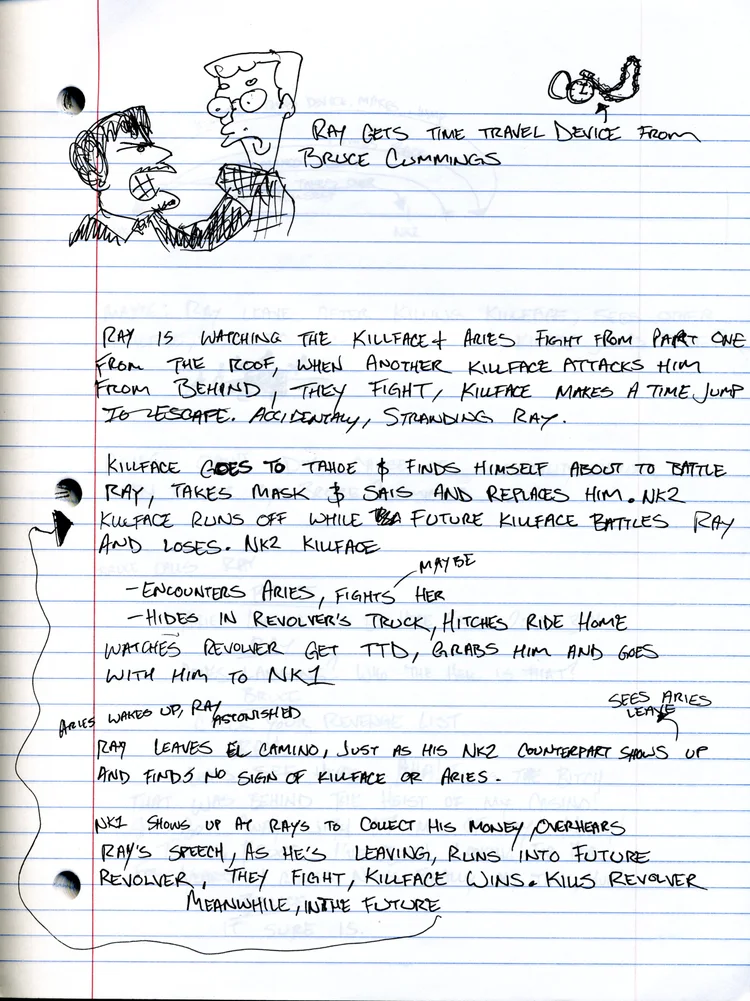
After discovering that Aries Lansing somehow survived the events of the first Ninja Killface, Mr. Ray Revolver turns to Bruce Cummings for answers and is handed an antique stopwatch capable of bending time itself.
Revolver travels back to the day everything went wrong, only to discover that Ninja Killface has made the same journey. As the two enemies cross paths with their younger selves and stumble through events they thought they understood, changing the past may prove considerably easier than surviving it.
Sony HDV Handycam HDR-HC3
Daly City, CA
El Camino High School, South San Francisco, CA
Behind the Scenes
After Ninja Killface II: Die Killface Die was finished in 2005, the question Daryl heard most often was what came next. Ms. Guthier invited the group back to El Camino High School as guest speakers, where they screened the sequel for students and were repeatedly asked when they were going to make part three.
Daryl already had an answer. Ninja Killface III: Time to Kill was conceived as the most ambitious film in the series, a time-travel story that would function as sequel, prequel, and partial remake at the same time. Killface and Revolver would travel backward through their own history, interfering with events from the first two movies and gradually revealing that things the audience thought they understood had happened very differently.
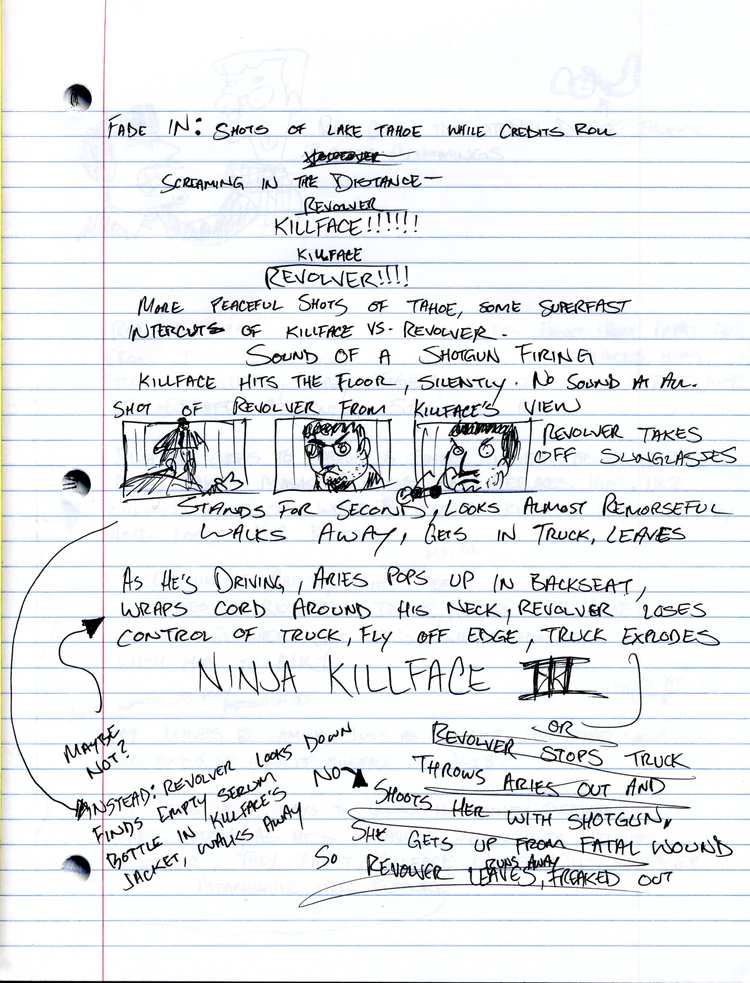
Production began using the Sony Handycam DCR-HC20. One of the first major sequences had the present-day Revolver travel backward in time and confront his younger self. Because both versions were played by Ray Revello, the scene required Daryl to begin experimenting seriously with split-screen compositing.
Daryl wasn’t yet especially comfortable in After Effects, but basic garbage mattes made it possible to put two Rays in the same frame. The most successful shots went beyond simply placing them beside one another. In one, Revolver walked in front of himself. In another, one Ray shoved the other away with a door.
They filmed the dialogue through the beginning of the confrontation and even captured the first punch. The actual Ray-versus-Ray fight, however, never happened.
Tests were made for how the two versions of Revolver might physically fight one another, but nothing proved convincing enough to continue.
They filmed the first punch. They never filmed the fight.
By the time Daryl acquired the Sony HDV Handycam HDR-HC3, the first version of the production had stalled. Rather than abandon the idea, he used the new camera as an excuse to begin again.
The restart centered on a scene involving Bruce Cummings, Aries Lansing, and Ninja Killface inside the El Camino High School library. The sequence was designed to take place simultaneously with events from The Golden Hoot, allowing Time to Kill to revisit an earlier film from a different angle.
Donald Flores and Ray were asked to appear in costume as Frank Barnett and Harvey Weebs, recreating their side of the library sequence from The Golden Hoot. The idea was to show that while Frank and Harvey were dealing with Bruce, an entirely different piece of the larger mythology was unfolding around them.
Neither Donald nor Ray showed up.
Ray had said he would be there, and the no-call, no-show caused another fracture between him and Daryl. The two had already gone through periods of distance before, and the missed shoot reopened some of that frustration. Daryl completed the scene with Bruce Cummings, Kirsten Olsen-Davis, and Nathan Blonkenfeld instead. Audio from The Golden Hoot was added to suggest Frank and Harvey were still somewhere nearby, but it couldn’t replace actually having them in the scene. The intended continuity never quite worked.
There was another complication. El Camino was open. Bruce allowed the group to shoot in the library, but the only time everyone could get together was during school hours. The scene was supposed to be a tense confrontation involving a ninja assassin, a resurrected woman, and Bruce revealing the results of his secret experiments. Behind them, actual high school students were trying to study. The production worked around the noise and background activity as best it could.
None of these problems individually killed the movie. Together, they started to. Nate arrived for the library shoot without ordinary shoes. He had recently become enthusiastic about toe shoes and brought those instead. The sequence was supposed to feature the version of Ninja Killface from the original film, and that Killface very definitely had not worn toe shoes.
It was a small continuity problem, but by then small problems were becoming the production’s defining feature. Ray was no longer reliably involved despite Revolver being one of the film’s leads, Nate’s enthusiasm for returning to Killface seemed to be fading, and each new attempt seemed to require another compromise.
Daryl had been trying to make the series bigger and more technically ambitious, but ambition was beginning to outpace the way the movies were actually being produced. There were still no lights, almost no crew, and little logistical support. Owning an HD camera made better images possible, but it didn’t automatically make the production around it more sophisticated.
It was becoming clear that making a bigger movie required more than simply pointing a better camera at the same old process.
Ambition was beginning to outpace the way the movies were actually being produced.
A couple of fragments were shot away from the main production. One had Killface running from Revolver’s 4Runner at night, photographed with the old Handycam and lit almost entirely by the vehicle’s headlights. Daryl intended a stark, stylized chase image. Instead, the footage simply looked underlit and ugly.
Much later, another piece of the same chase was attempted with the HD camera in the parking garage at Century 20 in Daly City. The shot was meant to show Killface escaping the earlier encounter. A security guard stopped the shoot and kicked them out. It was an appropriate final addition to a production that seemed increasingly determined not to happen.
By January 2010, Daryl had already accepted that the trilogy was unlikely to be completed. Writing about the series, he called the unfinished third film one of his biggest regrets, particularly because it meant there would never be a proper Ninja Killface trilogy sitting together on his shelf.
He also recognized that something else had changed. For years, Ninja Killface II had seemed like the peak of what Dollars & Donuts could accomplish. By 2010, it no longer did. The failure to finish part three still bothered him, but the need to finish it had begun to disappear.
Time to Kill was never formally canceled. Like several early Dollars & Donuts productions, it simply stopped. Without Ray as an active lead, with Nate increasingly reluctant to return to the hood, and with the production repeatedly losing momentum, Daryl stopped pursuing it and moved on.
The intended trilogy would have no ending. The characters, however, never really disappeared. Killface had already wandered through Disneyland, later turned up in Jack Knife vs. The Gorilla, and the idea of bringing the larger Dollars & Donuts universe together continued to linger in the long-planned Apocalypse project.
As Daryl wrote in 2010, anytime he could convince Nate to put the old hood on again, he would.