

Private eye Frank Barnett and his perpetually irritated accountant, Harvey Weebs, are drawn into the hunt for the Golden Hoot, an ancient Aztec artifact rumored to hold hypnotic power. Their search leads through South San Francisco and back to Bruce Cummings: Librarian Extraordinaire, who may know considerably more than he should.
920 Mission Road, South San Francisco, CA
Downtown, South San Francisco, CA
El Camino High School, South San Francisco, CA
South San Francisco CalTrain Station
THE CASE CONTINUES
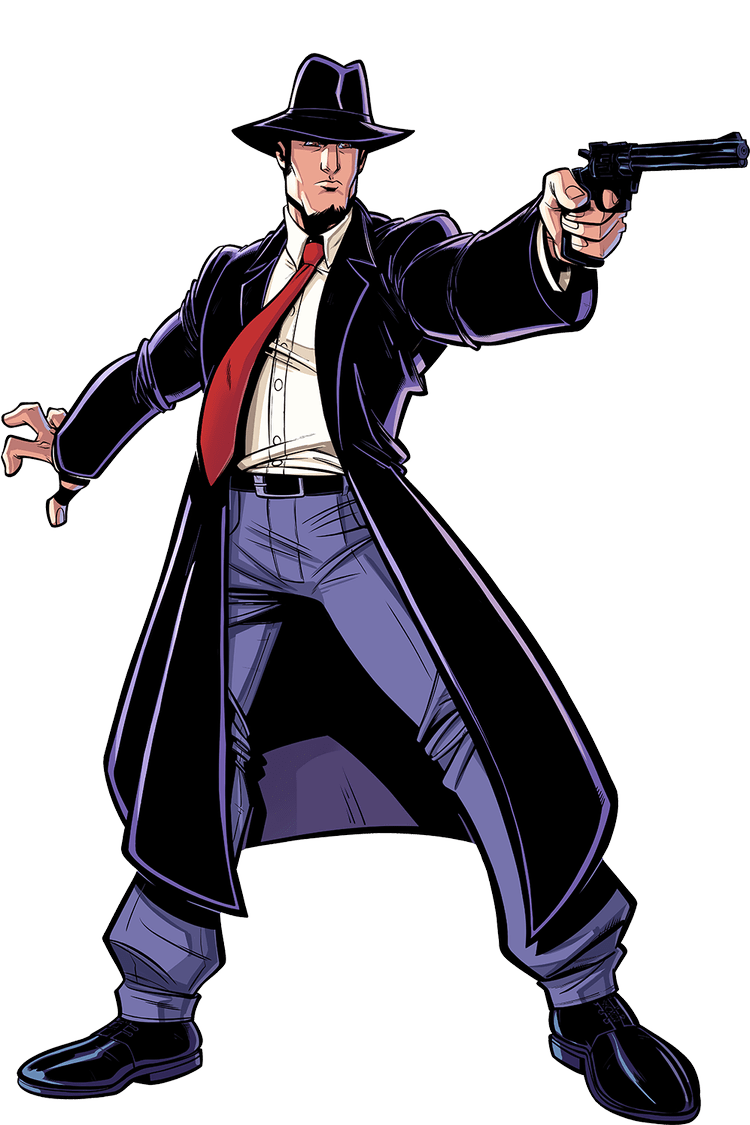
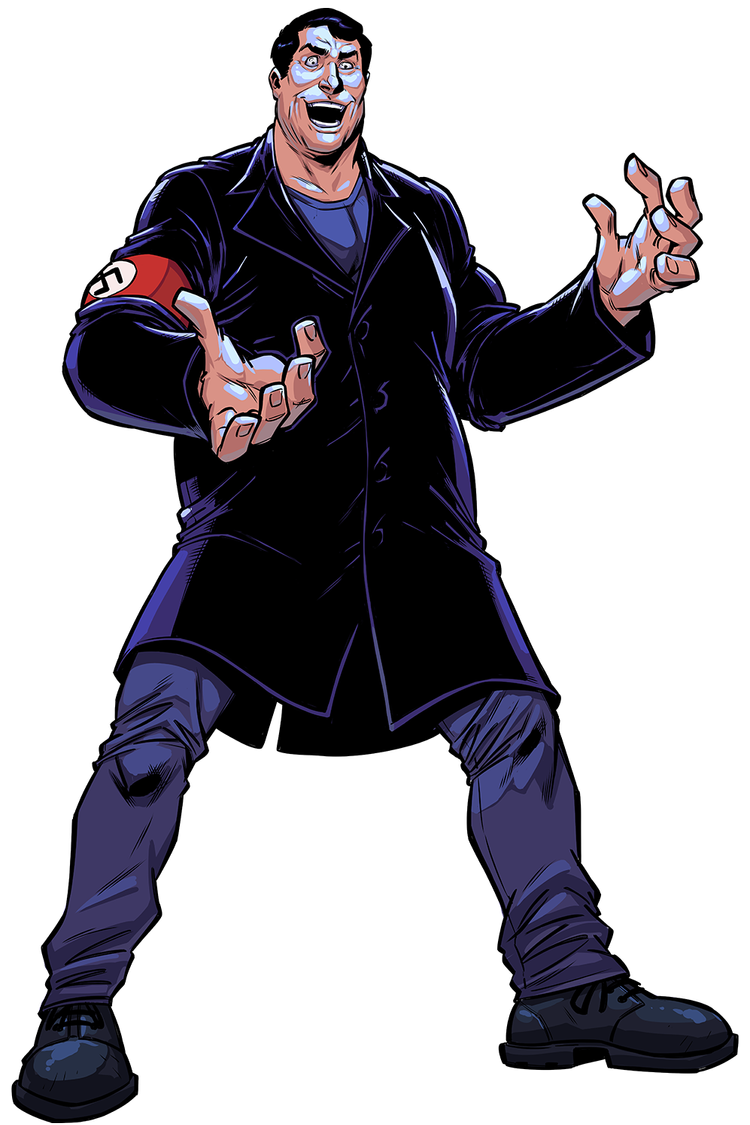
Read the story the movie never got to finish.Frank Barnett: Private Detective resurrects The Golden Hoot as a complete two-issue pulp adventure, sending Frank and Harvey from back-alley interrogations and train tracks to Bruce Cummings, Jack Knife, motorcycle chases, a hypnotic Aztec idol, and a conspiracy considerably bigger than the lousy payday Frank thought he was chasing.

When San Francisco's streets turn perilous, only one man is daring enough to dive into the chaos—Frank Barnett. In the inaugural issue of this electrifying series, reprinted from its serialized debut in Dollars & Donuts Showcase, Frank and his frazzled accountant, Harvey Weebs, are in hot pursuit of a mob-laden pickup, a dangerous chase that catapults our hero from high-speed antics to explosive confrontations.

Step into the gritty streets of San Francisco with Frank Barnett: Private Detective, a noir-infused series brimming with high-stakes action, razor-sharp dialogue, and unforgettable characters. Join the hard-boiled detective and his exasperated accountant Harvey Weebs as they face explosive chases, shadowy conspiracies, and unexpected twists.

Behind the Scenes
The Golden Hoot marks the true beginning of the Frank Barnett mythology, even though the film itself never reached completion. Developed in 2006, it was the first concerted effort by Daryl, Ray, and the core group to build a larger narrative world around the character rather than another isolated short.
Earlier Dollars & Donuts films could grow out of a joke, a location, or whatever everyone happened to be doing that afternoon. The Golden Hoot was meant to be something more deliberate: a mystery adventure with recurring characters, an ancient artifact, villains, mythology, action sequences, and a story designed to carry the audience from one scene into the next.
Appropriately, the process began in a library. Ray led the initial writing effort, with Daryl and the others meeting to throw out scenes, dialogue, jokes, and pieces of the larger story. Ray would take those sessions home and turn them into a screenplay, then hand the material back to Daryl for another pass.
“We’d have these meetings at the library,” Ray recalled. “Write down our initial thoughts… what we thought was funny… then I’d go home and write the screenplay.”
“Then I’d go home and write the screenplay.”
The division of labor was informal but already familiar. Ray generated the first version. Daryl rearranged it, rewrote dialogue, and adjusted whatever he thought needed changing. As Ray put it, “He’ll do whatever he does with it, rewrite it and move the dialogue around how he sees fit.”
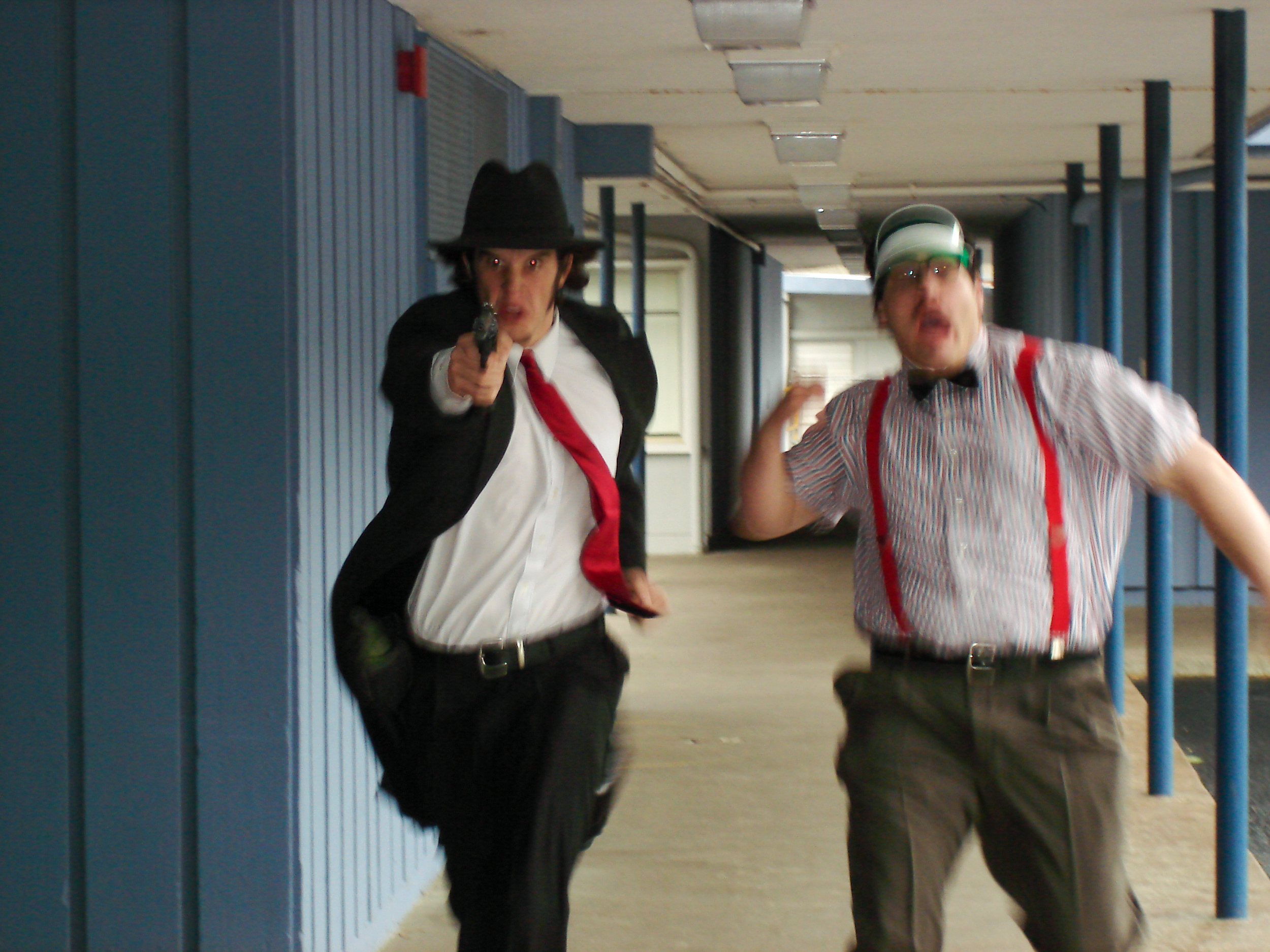
At the center of the movie was the partnership between Frank Barnett and Harvey Weebs. Donald Flores approached Frank with a wonderfully uncomplicated understanding of the character: “I’m a private eye… people pay me money, I investigate… and I always solve my cases.”
Harvey existed largely to suffer through the consequences. Ray played him as an accountant who’d somehow been dragged into gunfights, interrogations, ancient conspiracies, and whatever else Frank considered part of a normal workday. His priorities were considerably smaller, particularly his repeated complaints about being hungry and his demand for powdered Donettes.
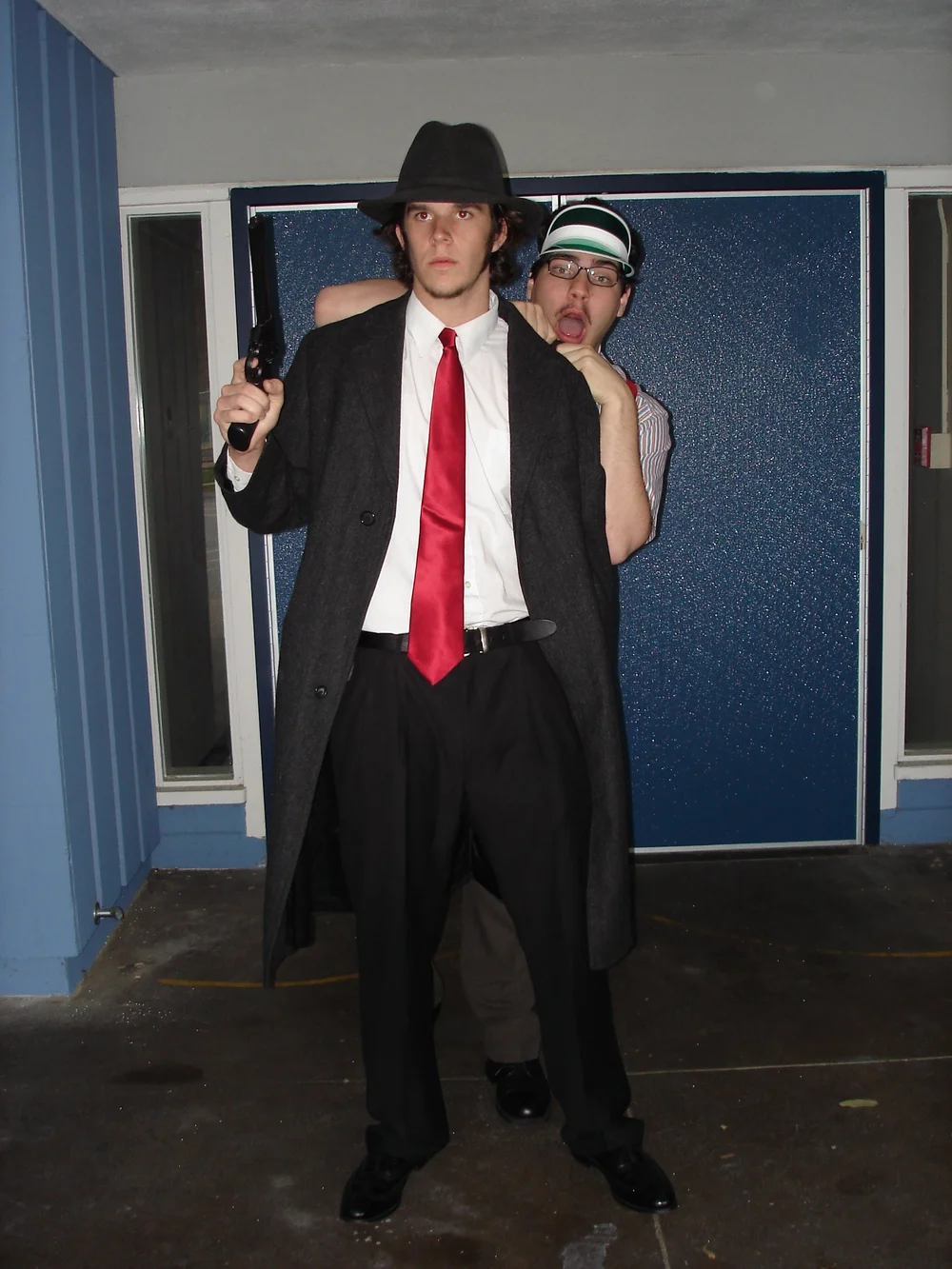
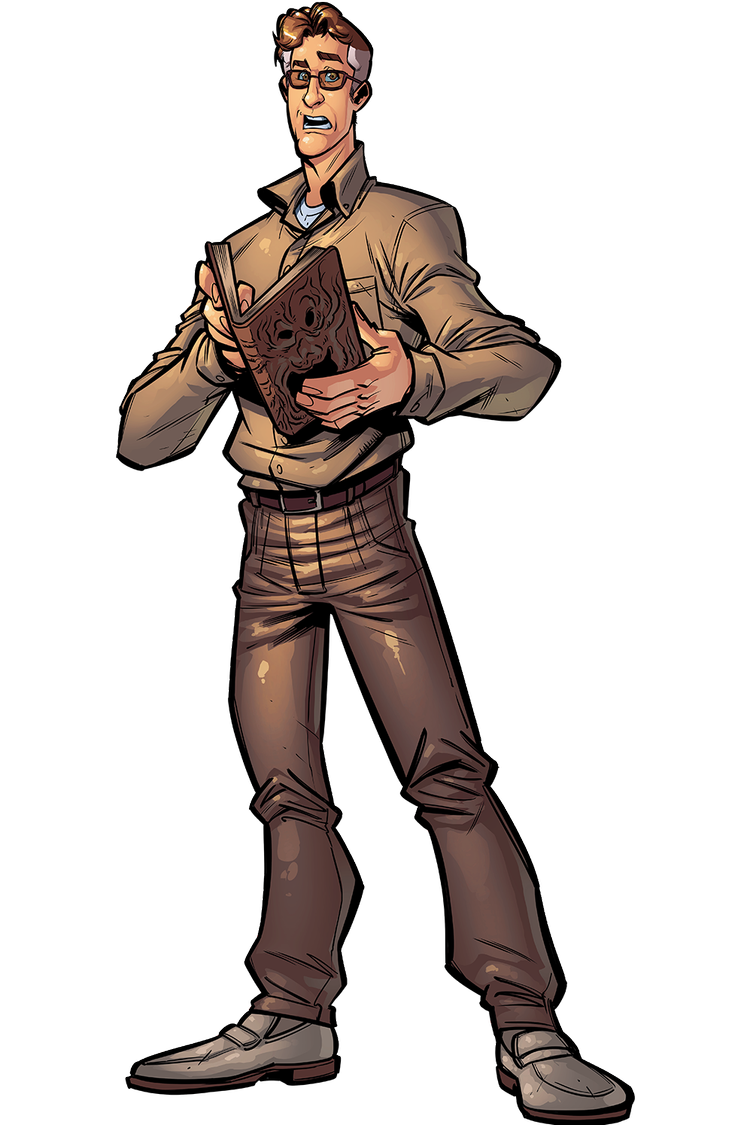
The movie also pulled Bruce Cummings deeper into the emerging mythology. No longer simply the strange librarian from an abandoned horror anthology, Bruce Cummings: Librarian Extraordinaire became the man who could explain the impossible. Here, that meant the history of the Golden Hoot, an Aztec artifact connected to hypnosis and mass manipulation.
The Golden Hoot also pushed the group further into production design than most of the earlier movies. For the planned climax, Daryl wanted a large electronic device that could plausibly sit at the center of the conspiracy. His grandpa, Henry T. Della, and cousin Tony Peil helped build it from salvaged electronics, switches, wiring, and whatever else looked appropriately dangerous.
The process involved repeated trips to RadioShack and a design strategy considerably more visual than technical. “I just started grabbing switches I thought were cool,” Tony explained. Nobody needed the machine to actually do anything. It only needed to look like it might.
“I just started grabbing switches I thought were cool.”
The film was ambitious in smaller ways too. One planned sequence had Frank kicking open a door and shooting several men inside a dark room. Daryl wanted the muzzle flashes from Frank’s gun to be the only thing revealing him.
Without a practical muzzle-flash effect or proper lighting rig, the solution seemed obvious at the time: use a digital still camera with a flash. Daryl, Snyder, and Donald sat in the dark repeatedly trying to coordinate Donald’s movements, the video camera, and the delayed shutter of the still camera.
It was nearly impossible. The flash wouldn’t fire exactly when the button was pressed, so they took dozens of photographs trying to land a burst of light at the precise moment Frank fired. The experiment never produced something usable. A small light would’ve solved the problem in minutes, but figuring that out would’ve defeated the spirit of the exercise.
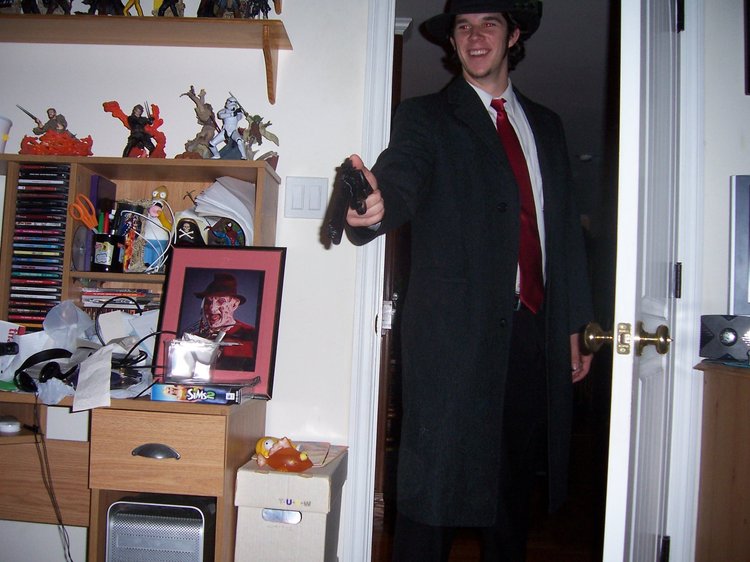
Production moved across South San Francisco with the same loose practicality as the earlier films, but the scenes were becoming more involved. Train stations, houses, streets, and El Camino High were folded into the story, while fights and interrogations were built around whatever could actually be accomplished at each location.
One of the larger surviving sequences involved Brandon J. Snyder as Scroggins, leading into a rough interrogation staged near the CalTrain tracks. The physical comedy remained just as real as ever. Ray remembered one shoot largely for being force-fed powdered donuts until he became sick, with the aftermath simply becoming part of the day.
The Golden Hoot was the first Dollars & Donuts film to receive its own series of production diaries. Peter Jackson’s online production coverage for King Kong had made the format feel newly exciting, and Daryl began using MySpace to post updates while the movie was still being made.
The diaries covered prop construction, filming, and screenwriting, turning the production itself into something the audience could follow before the finished movie existed. It was an early attempt at building anticipation around a Dollars & Donuts project while it was still in progress, years before that kind of constant production coverage became routine.
Even the modest audience felt enormous at the time. When Daryl showed his family that the prop-building diary had reached 178 views, his dad Hank was amazed that strangers were voluntarily watching Daryl’s grandpa build a movie prop. “178 people watched YOU! Pa, people are watching you saw things! Why?” For a group still making movies with friends around South San Francisco, a three-digit view count could feel like evidence that somebody outside the room was actually paying attention.
That instinct stuck. The diaries were an early version of a strategy Dollars & Donuts would keep returning to for years: make the process part of the show.
Despite the larger plan, production never reached the finish line. Scenes were being shot out of order, and later material, including a kidnapping and torture sequence, existed before several of the story beats needed to connect them had been completed.
Scheduling became harder, momentum faded, and the increasingly complicated movie eventually exceeded what the group could reliably hold together. Nobody gathered everyone together and formally cancelled The Golden Hoot. They just stopped shooting it.
In its unfinished form, The Golden Hoot became both the beginning of the Frank Barnett mythology and one of its missing chapters. Frank and Harvey were established. Bruce Cummings had found his place in the universe. The Golden Hoot had a history. There were villains, machinery, conspiracies, and enough scattered material to suggest a much larger movie than the seven surviving minutes could contain.
Many of those ideas would resurface in Revenge of the Golden Hoot, while the original story itself eventually received something the film never managed: an ending. Years later, the abandoned screenplay and surviving material were expanded into comic-book form, allowing Frank Barnett’s first major case to finally become a complete story.
The movie never made it. The mythology did.