

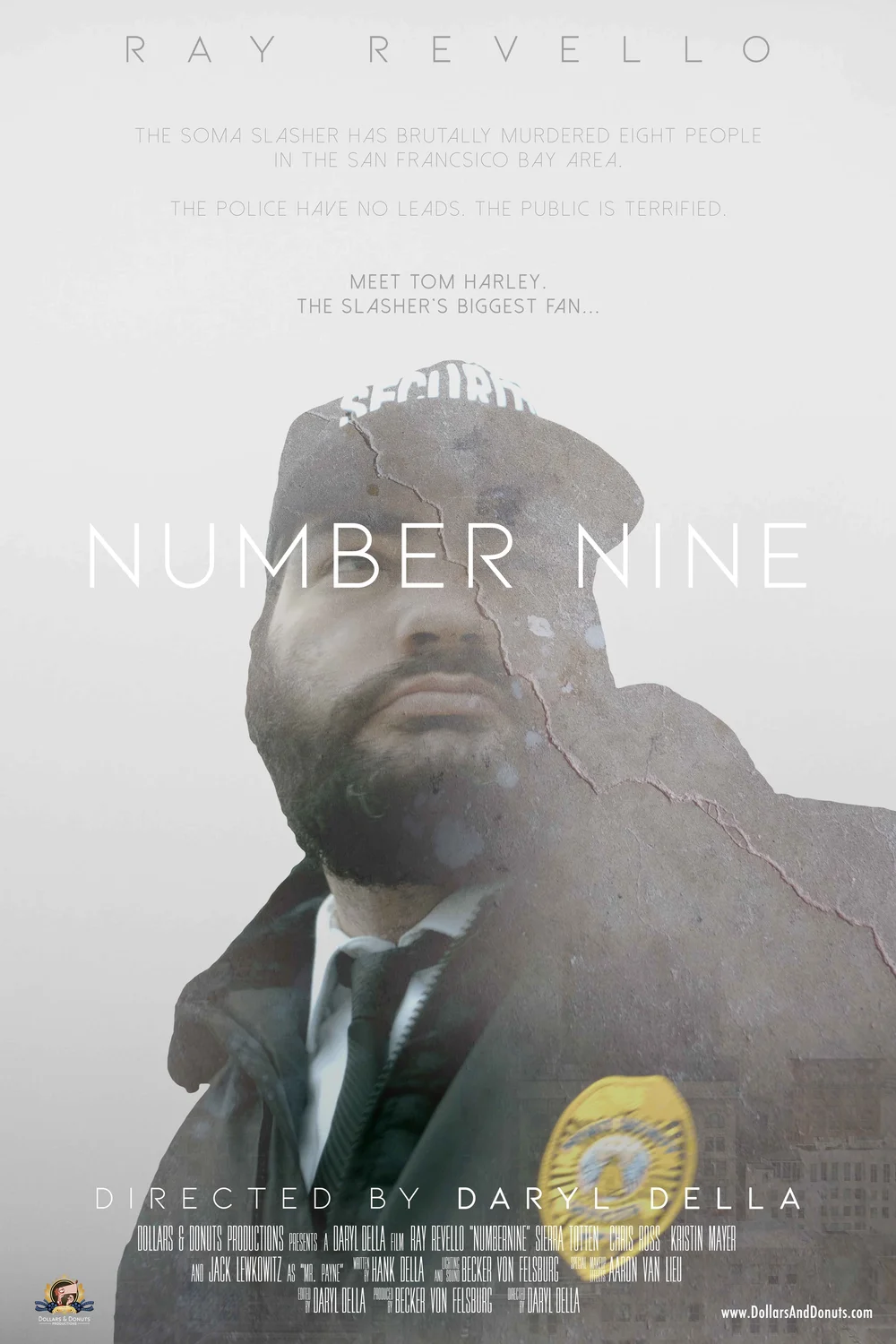
The Police have no leads. The public is terrified.
Meet Tom Harley. The Slasher's biggest fan...
Tom Harley is a miserable security guard with an unhealthy fascination with the SOMA Slasher, a serial killer terrorizing the Bay Area. As obsession turns into fantasy, and fantasy starts edging toward action, Tom begins to wonder whether admiring a killer is enough.
RAY REVELLO
MICHAEL MARTIN
STEPHEN DOHLER
DREW HOWARD
ERIC HOWARD
ASHLEY KIM
MARIO KRAFT
DANIELLE MAZZELLA
J.J. NIEDER
TED NYMAN
STEPHEN TUCKER
Hank & Nina Della
Dorothy Della
Frank Revello
George & Patty Martin
Ann Lewkowitz
David Quintanilla
Michael Swope
Back to Sports Fitness & Therapy
House of Shields
Natoma Cabana
Oceana Market
Patriot House
The Old Ship Saloon
Trad'r Sam
Emerging Filmmaker - Lonely Wolf International Film Festival
Best Comedy or Musical - Sensei Tokyo Filmfest
Best Horror or Thriller - Sensei Tokyo Filmfest
Best Film (Medium Length) - Sensei Tokyo Filmfest
Emerging Filmmaker - Daryl Della - Sensei Tokyo Filmfest
Best Zero/Low-Budget Film - Sensei Tokyo Filmfest
Take it Easy Film Festival
FLICKFAIR Film Festival
Back to Sports, West Portal, San Francisco, CA
Hilton, San Francisco, CA
House of Shields, San Francisco, CA
Natoma Cabana, San Francisco, CA
North Beach, San Francisco, CA
Oceana Market, Pacifica, CA
Old Ship Saloon, San Francisco, CA
Patriot House, San Francisco, CA
SOMA, San Francisco, CA
Trad'r Sam, San Francisco, CA
Udemy, 600 Harrison St, San Francisco, CA
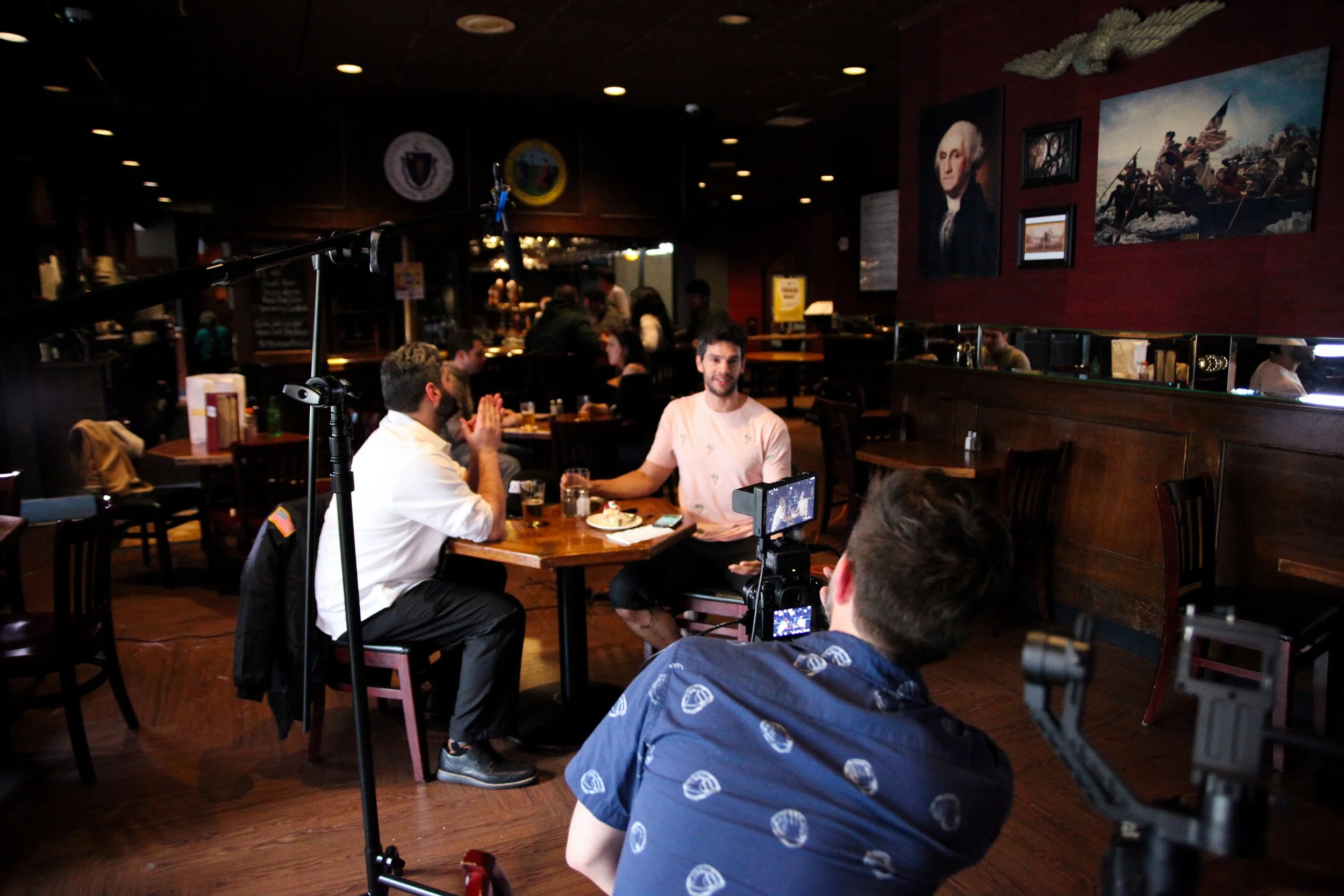
Behind the Scenes
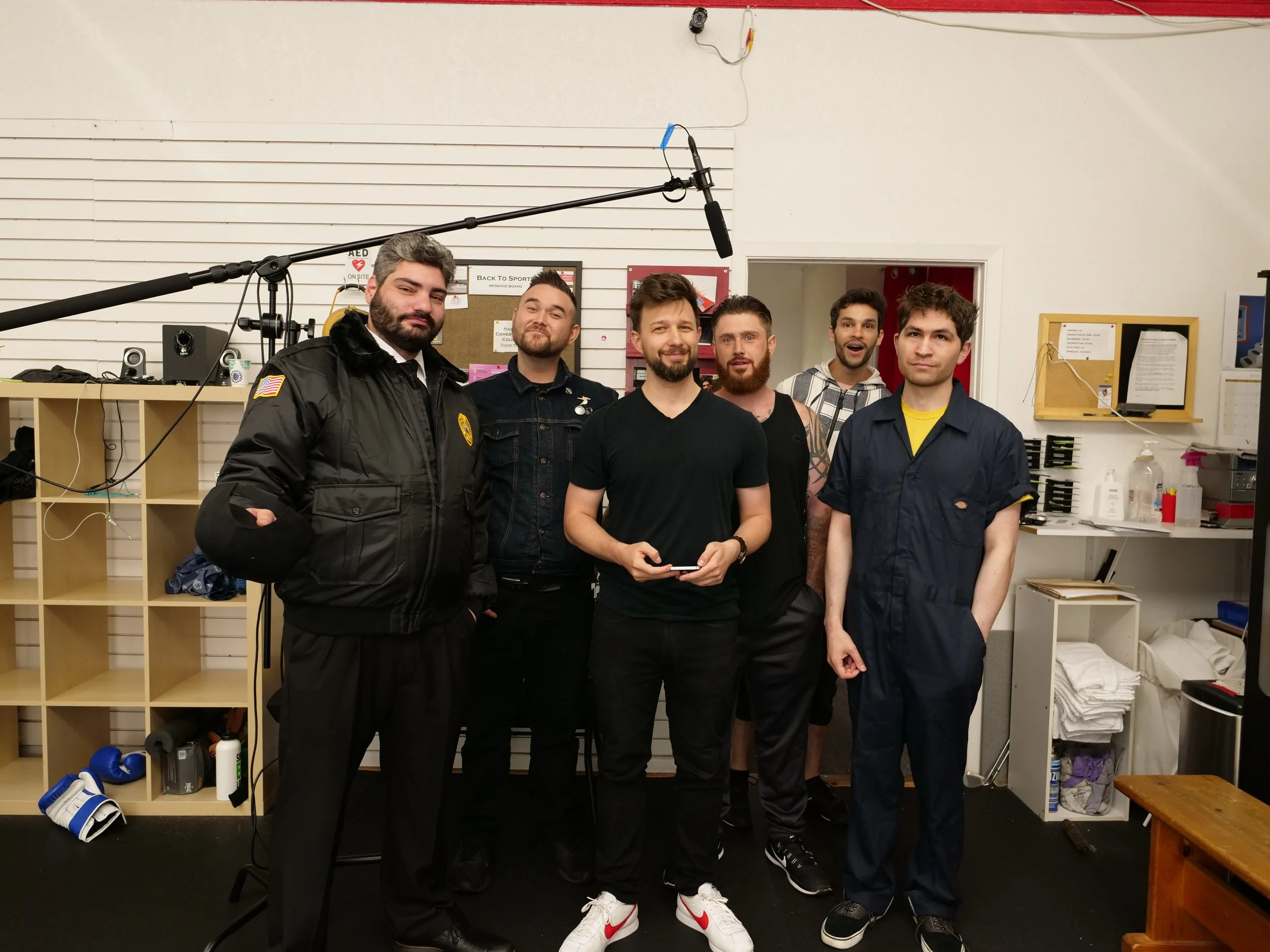
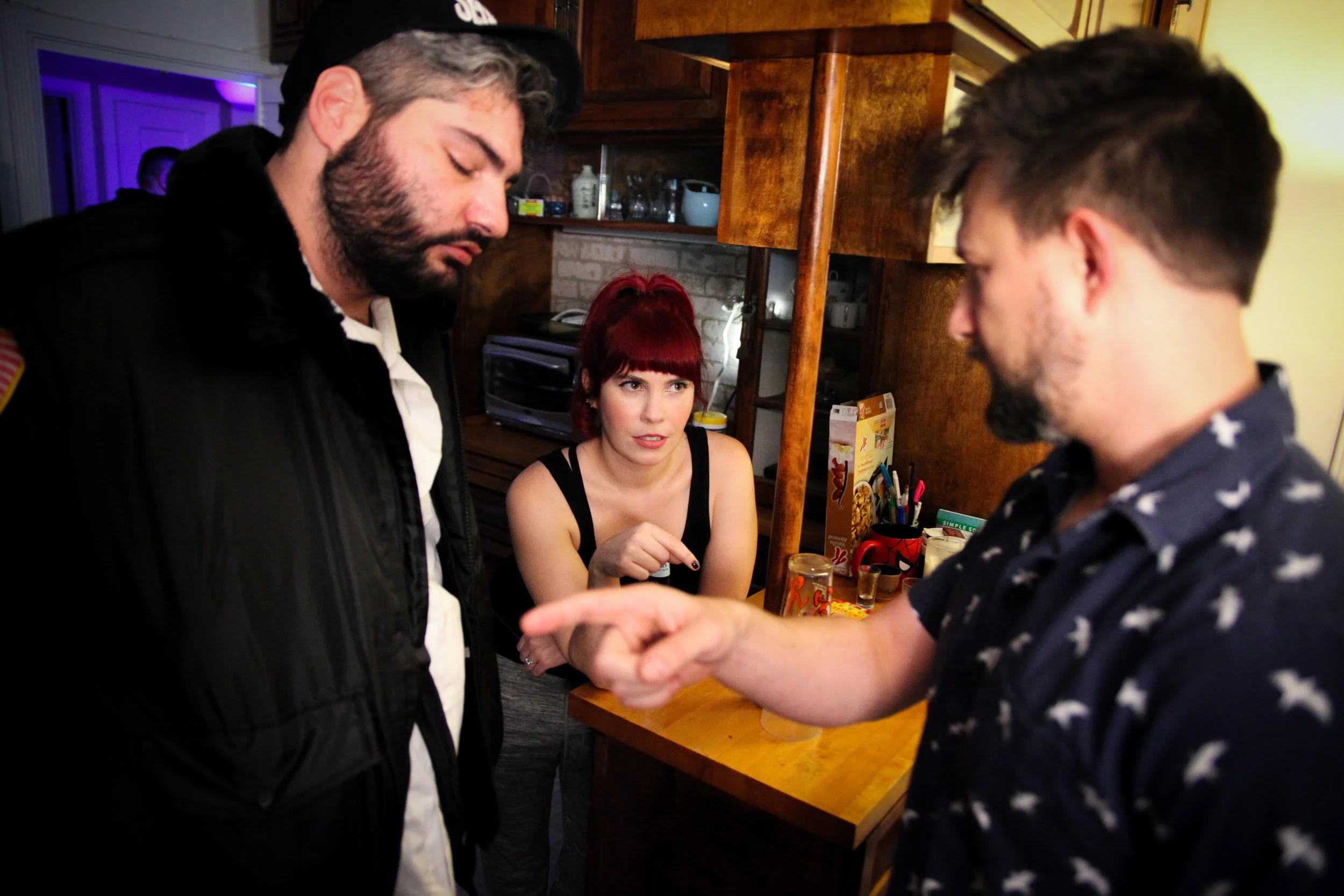
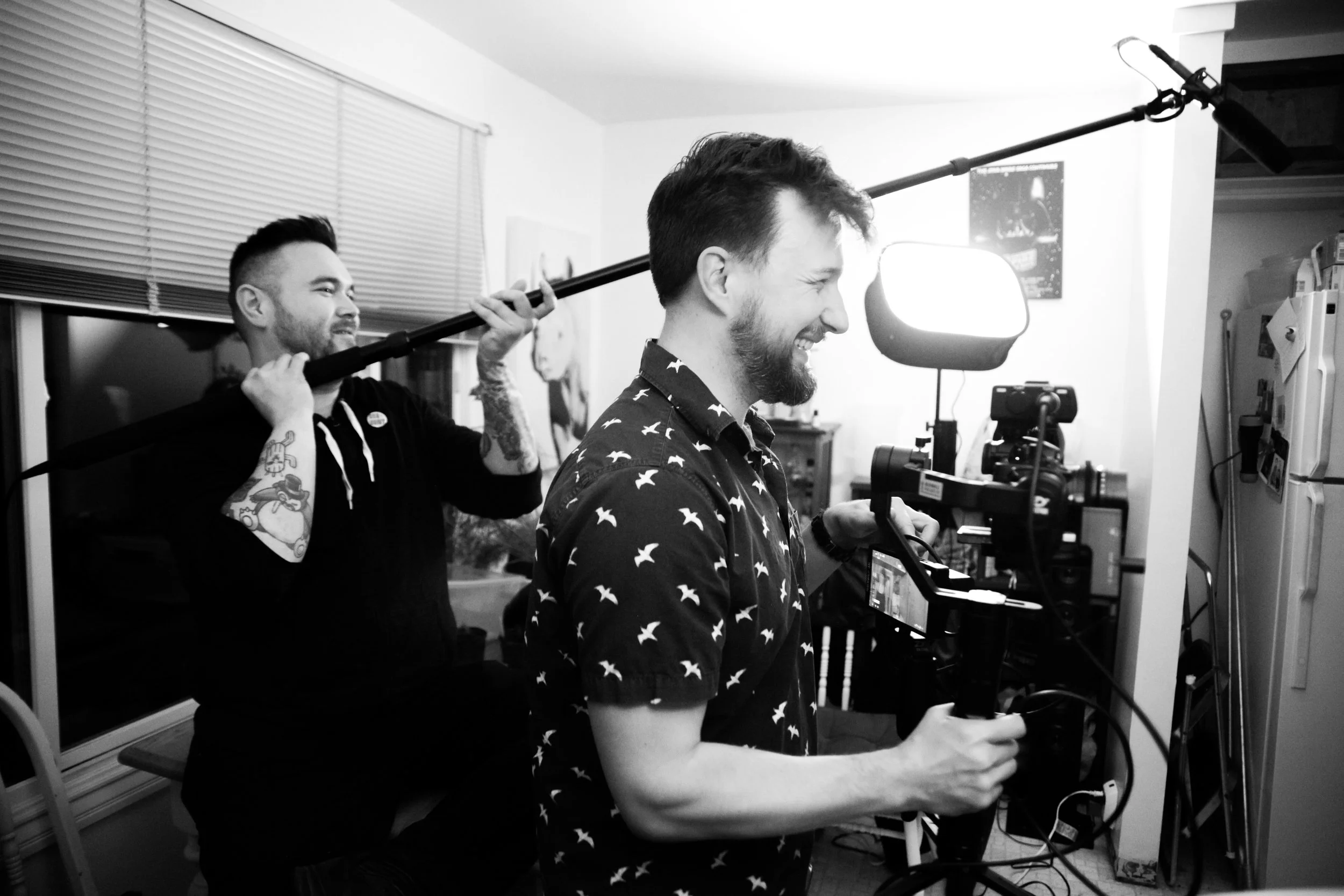
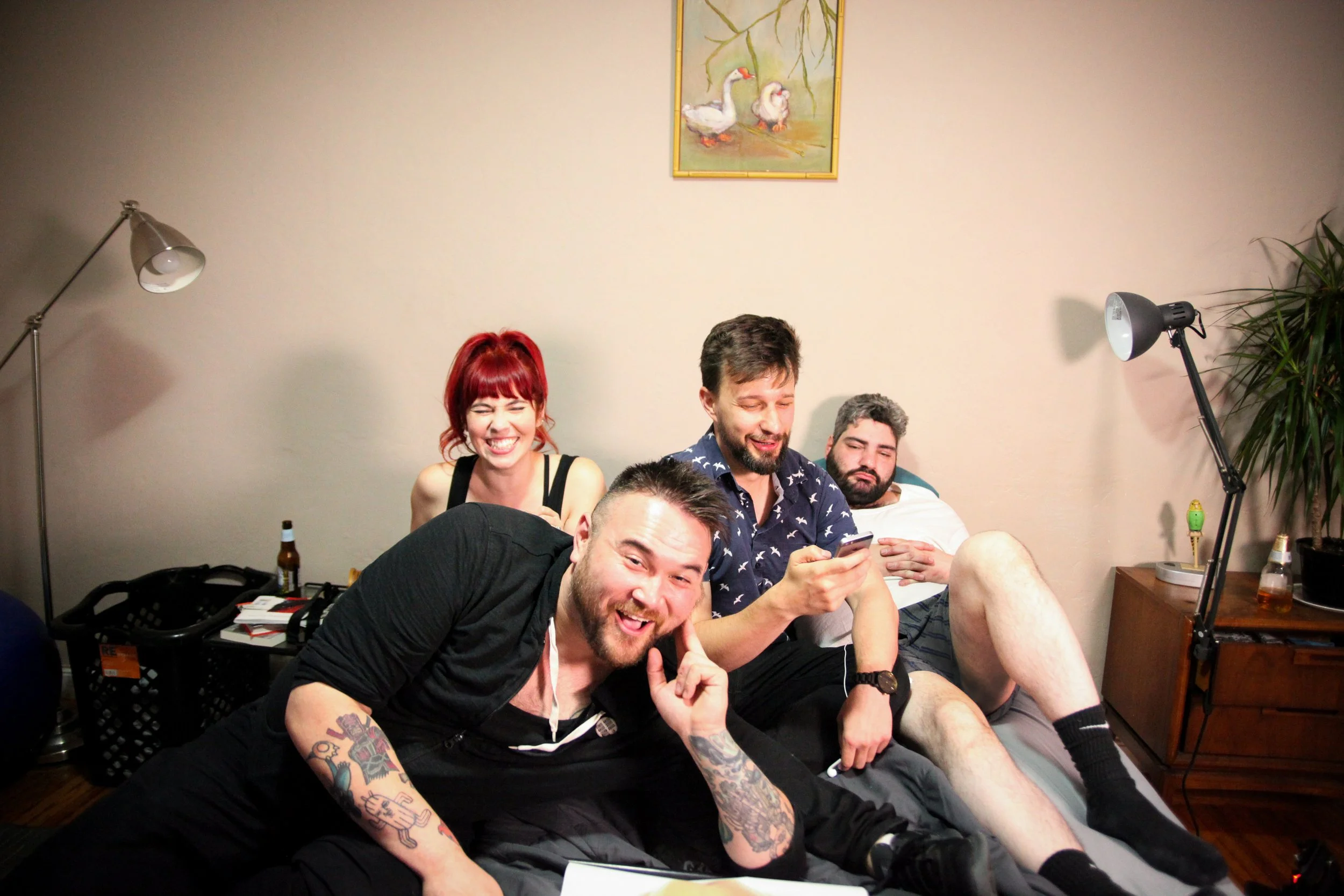
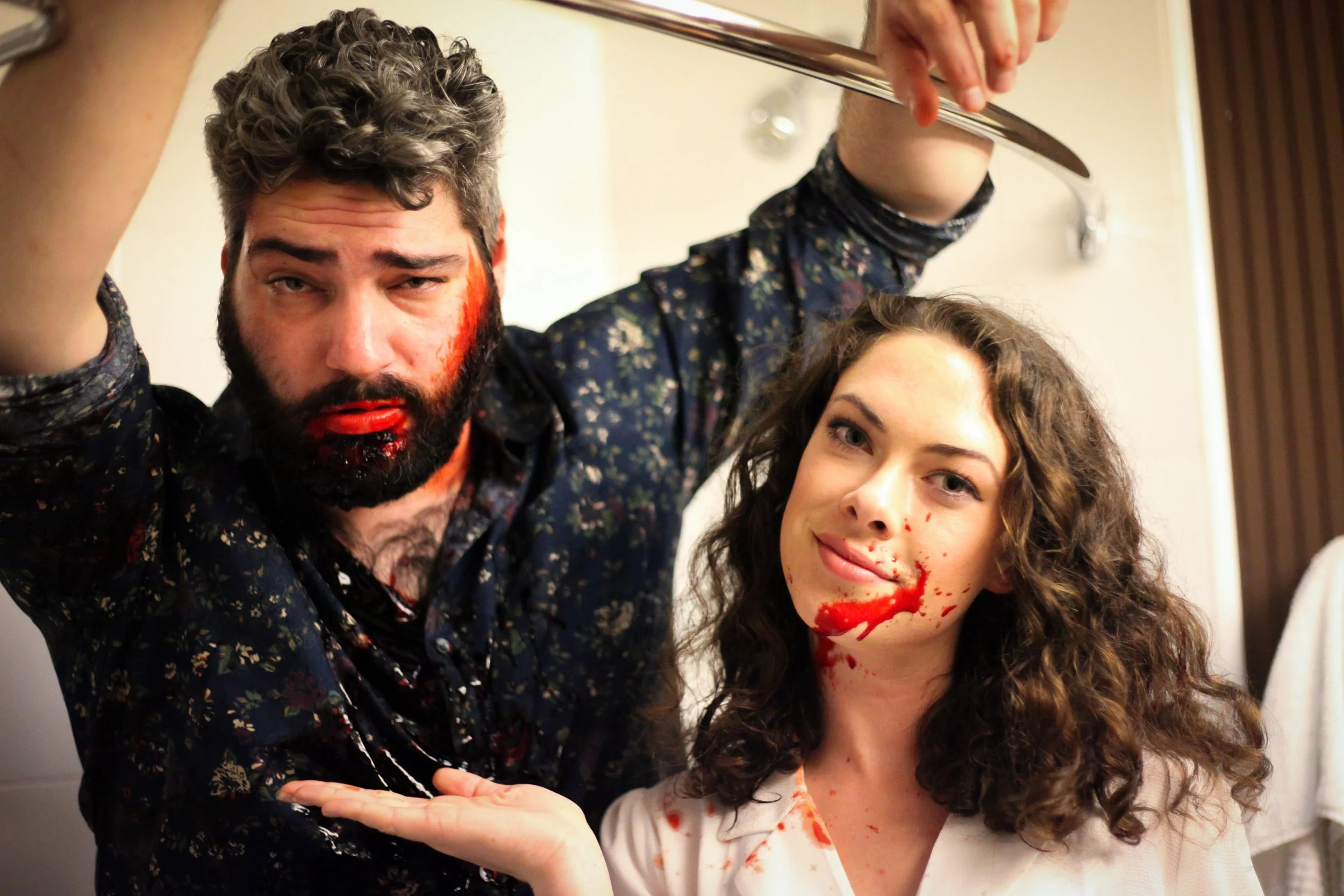

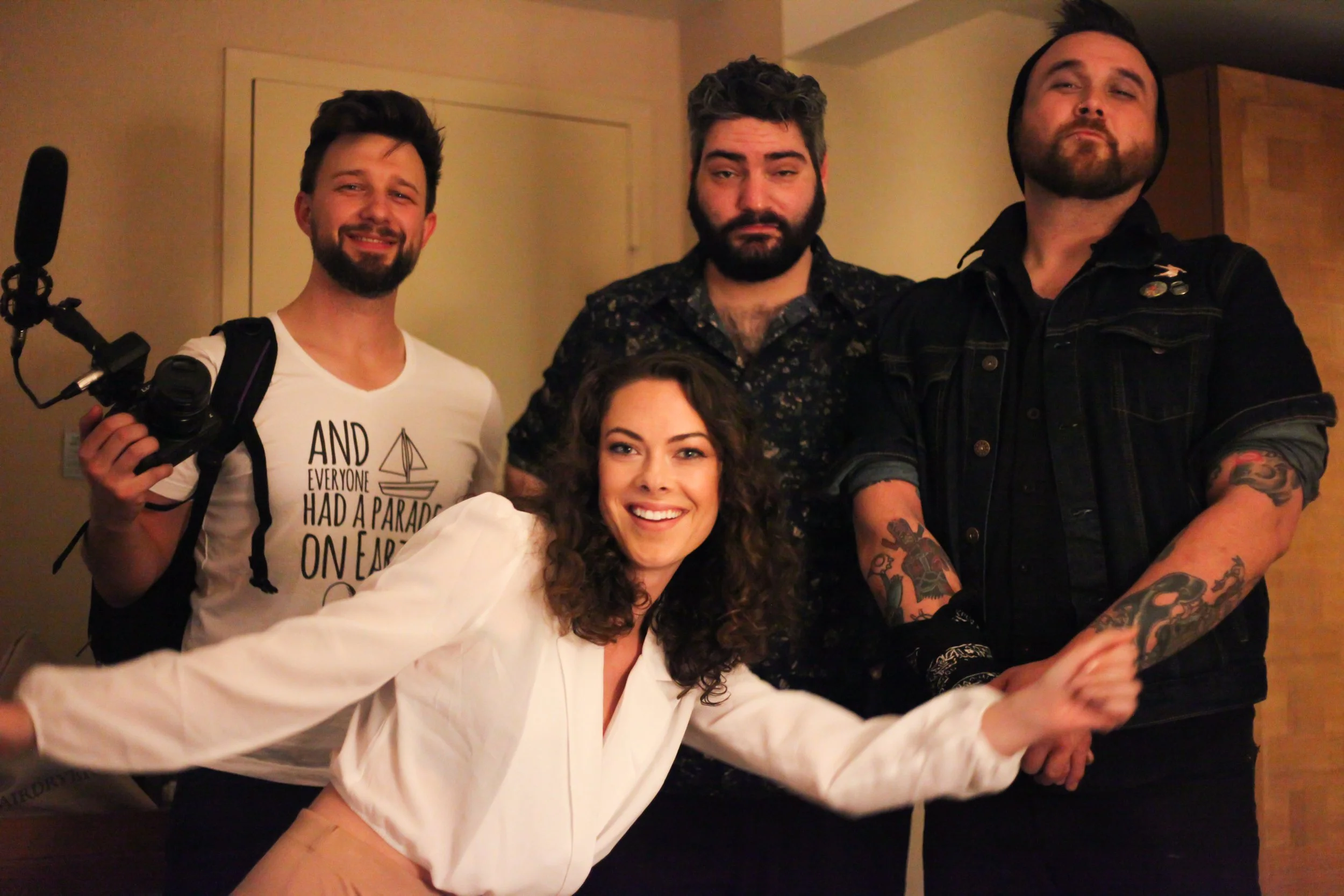
Following the producing shakeup at the Old Ship Saloon, Becker Von Felsburg took a much larger role in getting the remainder of Welcome to the Strange made.
The change in tempo was immediate.
Daryl went to Becker’s apartment to map out the rest of the year and found the kind of momentum he had been missing. Becker started making calls almost immediately, securing Sasha Boggs for The Tattoo and Sierra Totten for Number Nine within minutes. By the time they ordered food, they had the beginnings of a budget, a cast, and a calendar.
The schedule they settled on was absurd: shoot Number Nine, The Tattoo, and The Neighbor entirely within August so the completed anthology could premiere in October.
For Daryl, the appeal was not simply that things were moving quickly. It was that decisions were finally turning into action. He later described working with Becker during this period as operating at “the speed of thought.”
Becker also fronted much of the production expense himself. Michael Martin later contributed financially and retained an Executive Producer credit, but by then the machinery of the anthology was already moving under a very different producing arrangement.
At the center of the August sprint was Number Nine, another resurrection from the Hank Della archive.
The script had originally been titled Copycat and was adapted from one of Hank’s short stories. Daryl retitled it Number Nine, recycling the name of an unfinished Dollars & Donuts project from years earlier. Ray Revello played Thomas Harley, a man nearly immobilized by indecision, opposite Chris Ross as his decisive, alpha-male foil.
The casting also quietly closed an old circle. Kristin Mayer, who had appeared in the abandoned original Number Nine, returned as Thomas’ wife, Monica. The new film had little to do with its unfinished namesake, but Kristin’s presence created one small bridge between the two.
Visually, Daryl imposed an unusually strict rule on himself: direct the entire film as though he were working inside the “headspace of David Fincher.”
Rather than defaulting to his normal instincts, he pursued controlled compositions, colder lighting, deliberate camera placement, and an oppressive sense of urban isolation. The West Portal gym was not just a convenient location. It was the gym where Chris Ross trained Daryl, and Daryl had spent plenty of time on that treadmill looking out through the front windows at the foggy streets beyond.
That view had already lodged itself in his head before the film existed. From the treadmill, Daryl would stare down at the same patch of concrete outside the window that eventually became the location for the Indian Head penny scene. When Number Nine needed a visual expression of Thomas’ paralysis, the location was already there waiting for it.
Standing alone in the fog, Thomas notices an Indian Head penny on the ground and becomes trapped by the insignificant decision of whether to pick it up. Moments later, Joey leaves the gym and casually snatches it without breaking stride. The penny turns the central idea of the film into a visual gag: one man can barely act, while the other acts before there is even time to consider the decision.
The coin itself belonged to Daryl. His grandmother had given it to him years earlier, and its distinctive appearance made it immediately readable on screen. Its use also carried a small visual nod to the recurring Native American imagery Daryl associated with The Shining.
The largest departure from Hank’s script came with the killer. In the original version, the SOMA Slasher was ultimately revealed to be a man disguised as a woman, drawing on the kind of twist common to thrillers such as Dressed to Kill. Daryl did not want to use that device and instead made the killer an actual woman, casting Sierra Totten.
The change solved one problem for him and created another. Earlier scenes still featured police sketches that clearly resembled a man, particularly Ray. With the original twist removed, those images no longer logically matched the eventual reveal. Rather than rebuild the surrounding material, Daryl jokingly rationalized the discrepancy as “fake news,” with inaccurate media coverage contributing to Thomas’ growing paranoia.
Hank never directly objected to the rewrite during production, but Daryl came away from the Welcome to the Strange premiere believing his father was disappointed with what had been done to the story. Hank was unusually quiet afterward, and Daryl suspected that removing the original reveal had weakened the mechanism of the script.
Number Nine was made during one of the fastest and most invigorating production periods Dollars & Donuts had experienced in years. It also demonstrated the cost of that speed. Decisions were made quickly, sometimes brilliantly and sometimes imperfectly, and there was rarely time to look backward.
The film took on a very different weight not long after its completion. Only weeks after Hank Della died, Number Nine screened at the Another Hole in the Head Film Festival at New People Cinema in San Francisco. It was the first festival Daryl attended after losing his father.
Watching the film that day was difficult in a way nobody could have anticipated when it was made. The dialogue on screen was still Hank’s. His name still appeared in the credits. A project that had begun as another attempt to revive one of his old stories had suddenly become something much closer to a memorial.
Seeing HANK DELLA come up on the screen only weeks after his death made the distance between the production and the screening feel enormous. That experience also complicated Daryl’s feelings about the adaptation. Whatever disagreements or compromises had existed between father and son over the finished film, the words were still Hank’s, preserved in a theater full of strangers.
Characters
-

Tom Harley
RAY REVELLO
-

Monica Harley
KRISTIN MAYER
-

Elizabeth
SIERRA TOTTEN