
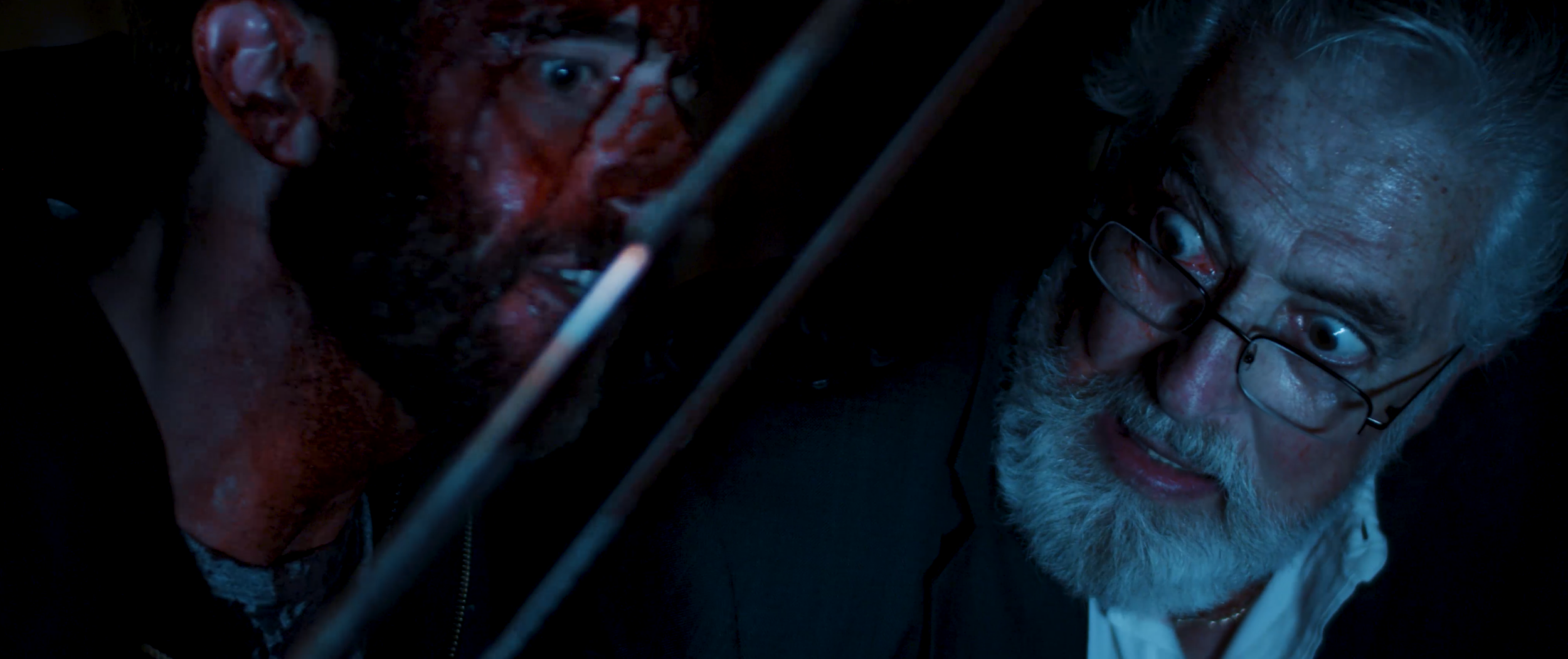
Deke Trenton emerges as a relentless force in a world ruled by betrayal and blood debts, methodically taking down those who cross him. After a brutal confrontation leaves three bodyguards dead, Deke confronts Mr. Rooker, his once-trusted ally turned adversary, in a chilling showdown that culminates in ruthless retribution.
DARYL DELLA
BRIAN GRIMA
BECKER VON FELSBURG
KIRSTEN DELLA
Panasonic GH5
San Francisco, CA
Dead Right SAGA
Brutal. Ruthless. Deadly. He’s flawed that way. Deke Trenton's relentless quest for justice unfolds across three gripping chapters. Framed by his brother and forced into a treacherous world of betrayal and vengeance, each film escalates Deke’s battles, pushing him to the brink. From sinister clinics to deadly confrontations, explore Deke’s journey in the Dead Right series, where his flaws might just be his salvation.
the chronicles of Rooker
Mr. Rooker's story weaves through the darkest corners of crime and retribution. From his cold-blooded dealings in A Lovely Place to Die to the twisted justice of The Alibi, follow the chilling path of an enforcer who writes his own rules.
Behind the Scenes
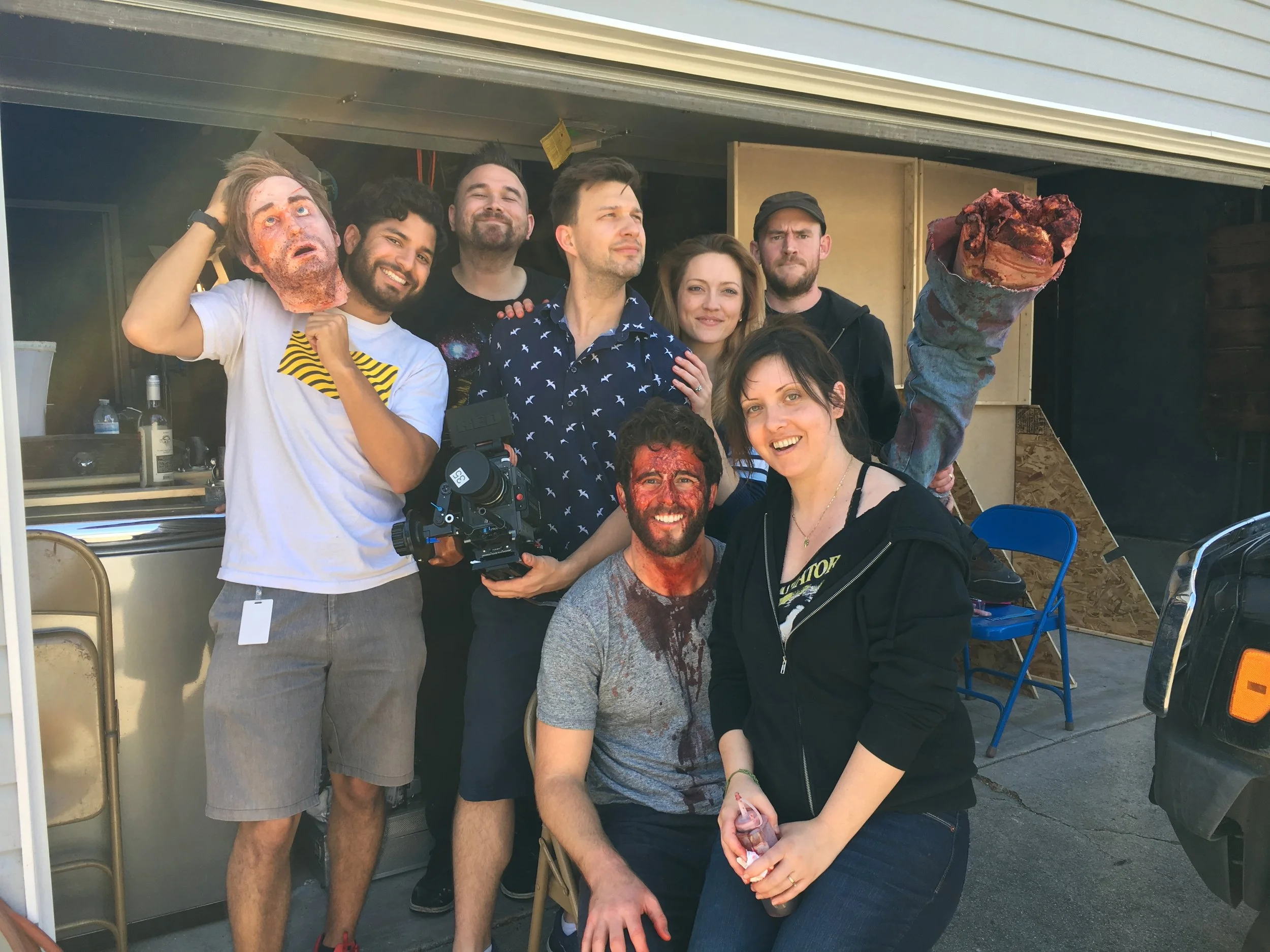
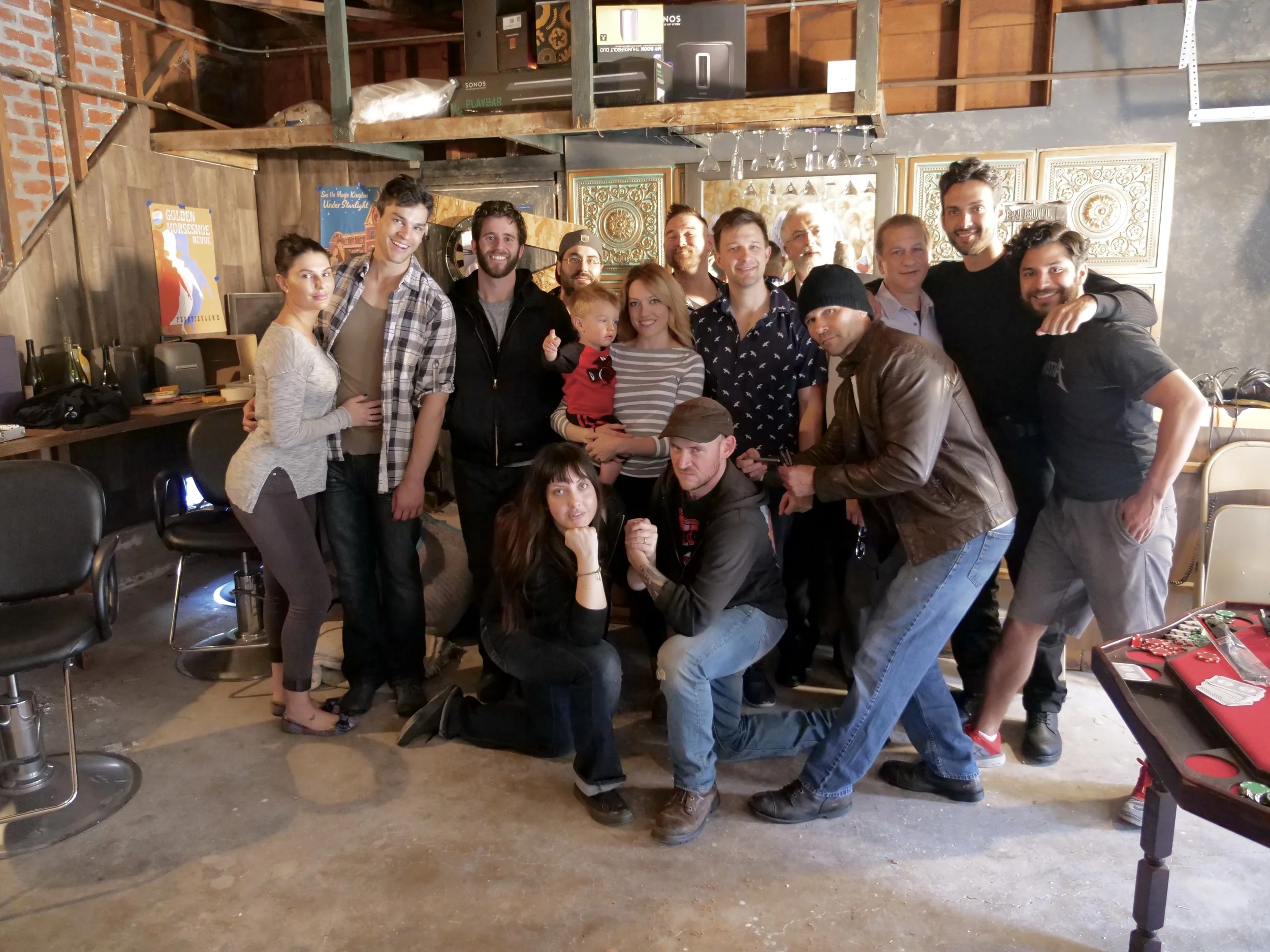
By 2017, Dead Right: Part Three had become the elephant in the room. The first two Dead Right films had established Deke Trenton’s world, but the planned conclusion had grown far beyond the scale of the shorts that came before it. What had once been another chapter had expanded into a feature-length crime epic involving Deke, his brother Bennie, Mr. Rooker, returning characters, large action sequences, and years of accumulated continuity.
The ambition created a practical problem: Dollars & Donuts had never mounted anything of that scale. Rather than wait for a complete feature production to materialize, Daryl Della proposed a more familiar solution. He wanted to make the movie the way the company had always survived ambitious projects: one achievable piece at a time.
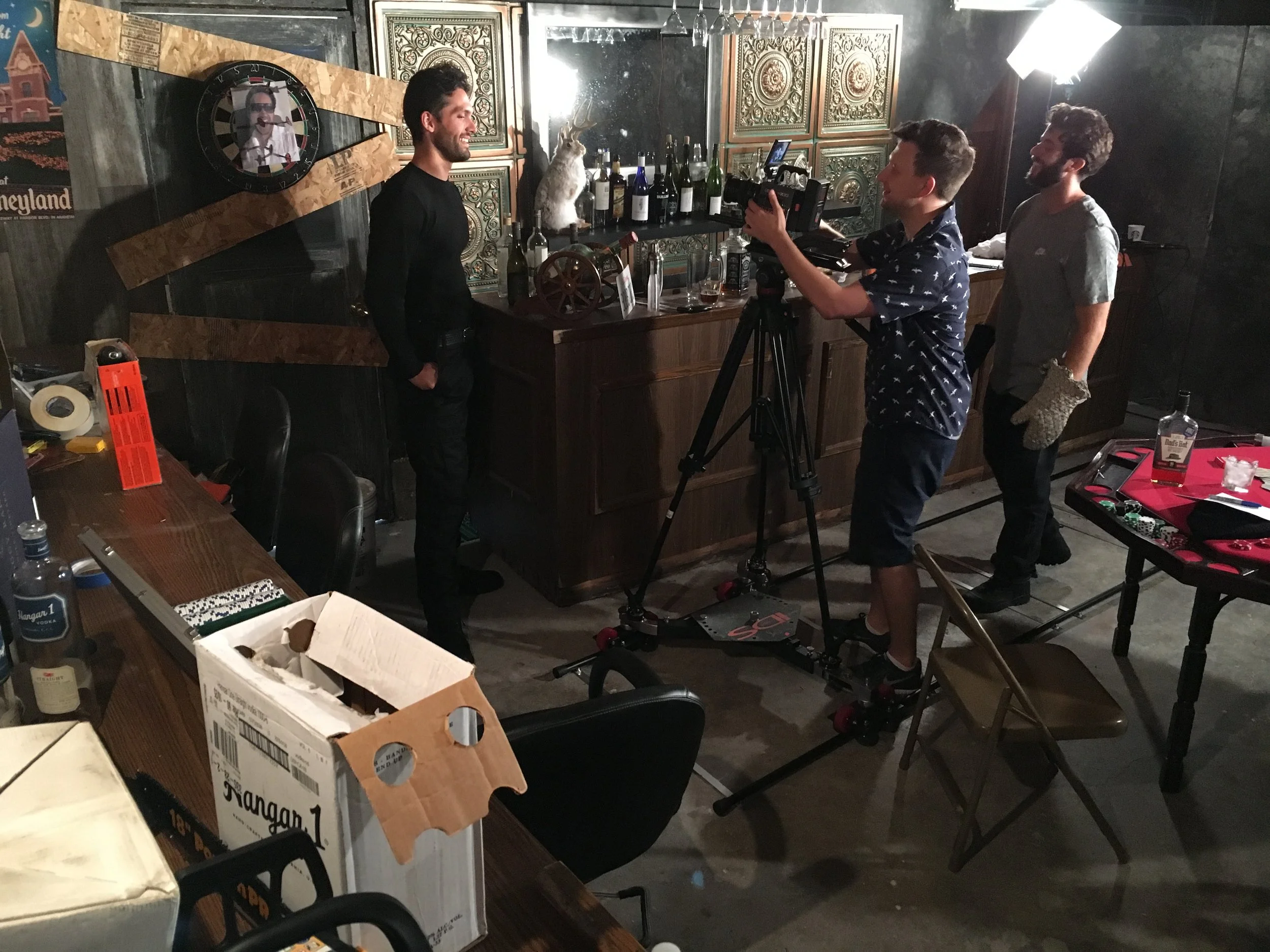
The opening sequence would come first. Designed to function almost as a short film of its own, the prologue follows Deke as he fights his way through three bodyguards before confronting Mr. Rooker, a former ally whose betrayal ends with particularly gruesome retribution. The shoot called for some of the most elaborate action work Dollars & Donuts had attempted up to that point, including extensive fight choreography, practical blood effects, a prosthetic hand, a constructed interior set, and a prolonged torture sequence.
Daryl’s hope was that finishing the prologue would make the larger project feel real. Once everyone could see Deke back on screen and the first section was complete, perhaps the excitement would carry the production into the next scene, then the next, until the impossible feature had quietly become a finished movie.
Michael Martin immediately understood the strategy. “I know what you’re trying to do,” he told Daryl. The two had fundamentally different ideas about how a production of that size needed to happen. Daryl favored the same incremental model that had carried Dollars & Donuts through years of low-budget filmmaking: begin with what could be accomplished, build momentum, and solve the next problem when it arrived. Michael wanted the opposite. Before committing to the feature, he wanted a completed screenplay, finalized budget, full production schedule, and a clear plan showing how the entire movie could realistically be finished.
Neither approach was irrational. The problem was that they were incompatible. From Michael’s perspective, shooting isolated pieces of an unfinanced feature risked leaving behind another unfinished project. From Daryl’s perspective, demanding feature-scale infrastructure before allowing production to begin made the film effectively impossible within the resources the company actually had.
The disagreement became a larger question about what Dollars & Donuts was capable of becoming. Could the same scrappy production model that had created years of short films simply be expanded until it produced a feature? Or had the company reached the point where ambition required an entirely different way of working?
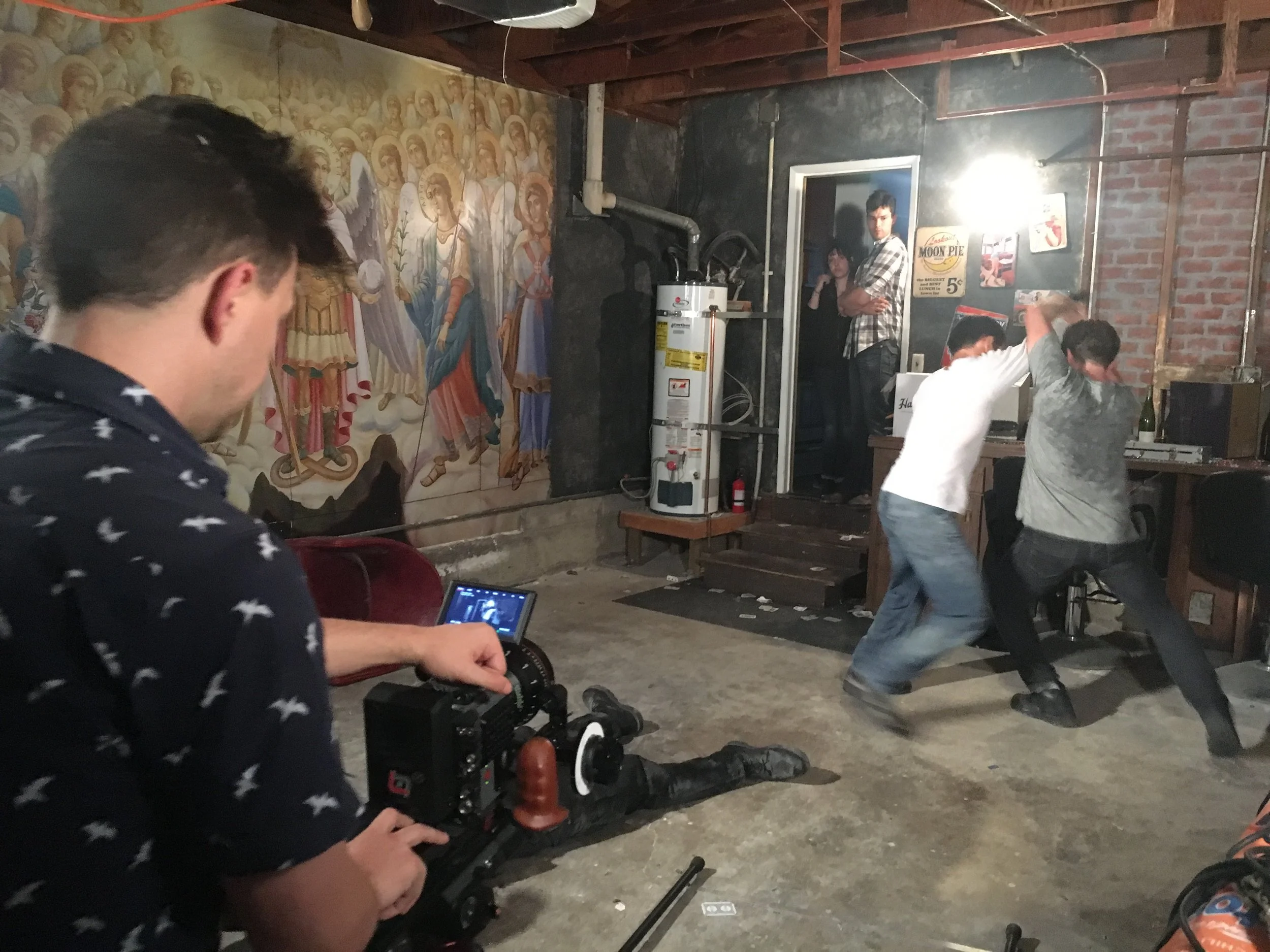
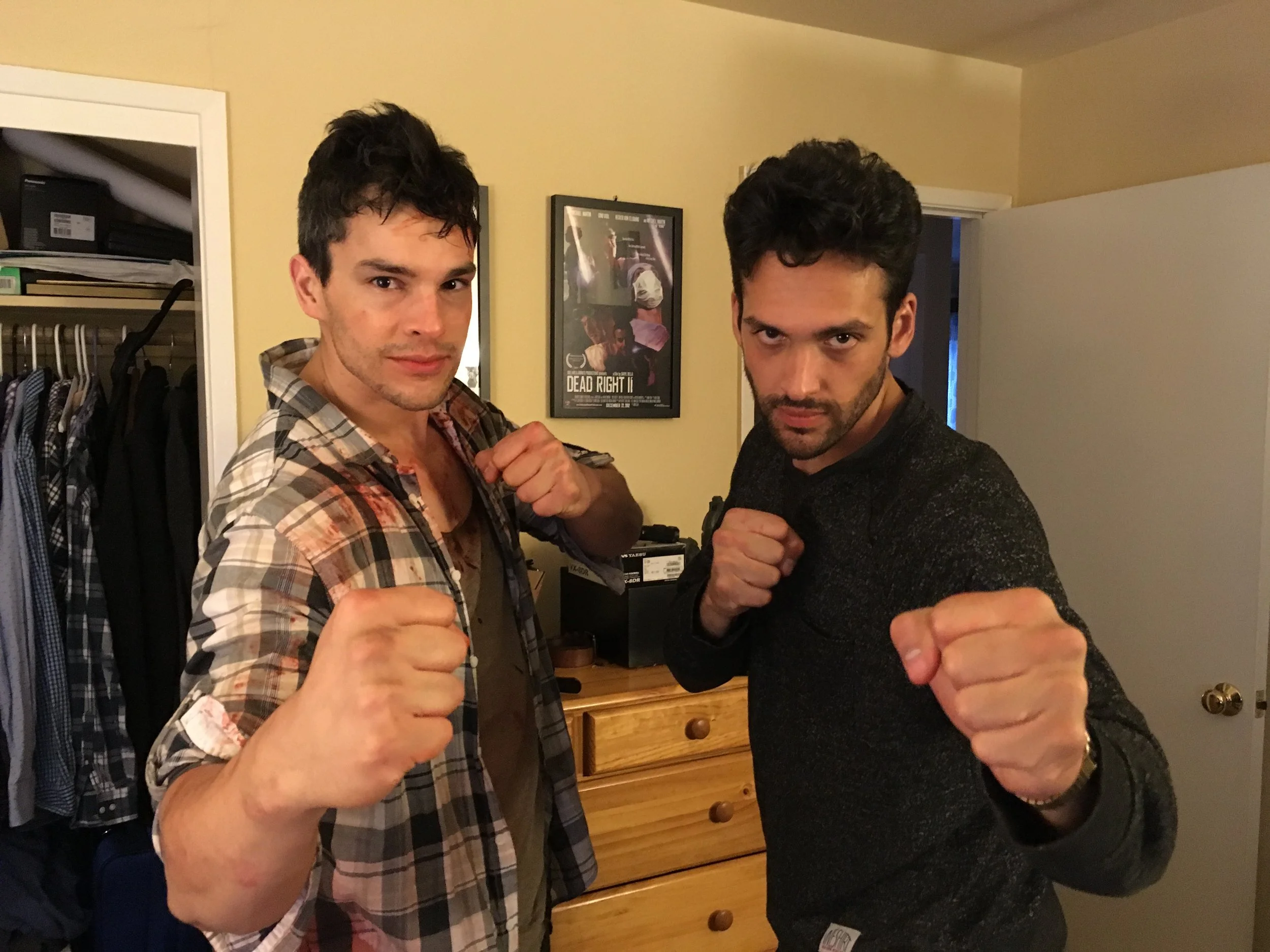
The prologue was filmed anyway, and the surviving footage shows a production operating at a considerably higher level than its unfinished status might suggest. Fight scenes were rehearsed beat by beat, with performers working through punches, parries, elbows, body blows, and camera positions before moving to full speed. Practical effects were carefully coordinated, including the casting of Jack’s hand for Rooker’s mutilation sequence and repeated blood applications throughout the shoot.
The production also continued the increasingly elaborate ensemble approach of the period. Michael Martin returned as Deke Trenton, Jack Lewkowitz played Rooker, and Chris Ross, Gino Vigil, and Graham Koffler joined the action as bodyguards. Makeup artists, camera crew, effects work, and family all overlapped inside the same homemade production machine.
The original 2017 release ended with Deke’s confrontation with Rooker and Bennie’s phone call pointing toward the larger family war still to come. The following year, real life handed the production another scene. Jack Lewkowitz had gone into the hospital for surgery. When Hank Della heard about it, his reaction was immediate: Rooker had just lost his hand. Jack was now actually lying in a hospital bed. Daryl needed to get down there with a camera. A real hospital room, a real patient, and exactly the kind of aftermath the movie could never have afforded to stage.
Jack was game. So were the nurses. By the time Daryl arrived, Jack had already talked enough about the movie that the staff knew what was happening. Daryl walked in with a camera and found that, for once, he was already expected. They got the shot, giving Rooker’s mutilation an actual aftermath and carrying the story one step farther toward the feature
But the intended momentum never followed. The completed footage did not lead directly into another weekend of shooting, and without agreement on how the rest of the feature should be produced, Dead Right: Part Three stalled again.
Daryl made one final major attempt in May 2020. By then, he had abandoned the idea of mounting the sprawling feature exactly as originally conceived and reduced the screenplay to a lean 26 pages. The first six pages were already represented by the completed prologue, leaving roughly twenty pages of new material.
The pitch to Michael, Mitchell Martin, and Ray Revello was deliberately modest: finish the trilogy as a short-form finale that could potentially be shot over two weekends. “We could totally get this version done,” Daryl wrote. The message was met with silence. There was no new schedule, no next shoot, and no realistic path toward completing the original version with the team that had begun it.
Released as Dead Right: Part Three, the prologue became an unusual object within the Dollars & Donuts filmography: part sequel, part proof of concept, part unfinished finale. It gives Deke and Rooker their brutal confrontation, while the call from Bennie at the end points toward the larger Trenton family conflict that was meant to follow.
In the end, Dead Right: Part Three became the point where Dollars & Donuts’ usual production model finally met a project too large for everyone involved to agree on how to make. The prologue survived. The feature did not.
Characters
-

DEKE TRENTON
MICHAEL. MARTIN
-

ROOKER
JACK LEWKOWITZ
-

Bennie TRENTON
MITCHELL MARTIN