

Deke Trenton has been set up by his own brother and left holding the bag for a crime he didn’t commit. Now Chelsea is in the hands of Sweet William, notorious pimp and vicious operator with a taste for leverage, and Deke is running out of time.
Betrayal, jealousy, crooked deals, and family hatred all come due as Deke tears through the wreckage looking for the truth. For Deke Trenton, blood is thicker than water. It’s also a hell of a lot messier.
MICHAEL MARTIN
CHRIS CAIRO
DEL LOSTAUNAU
CHRIS CAIRO
EMMANUEL DIEGO
RYAN WAHLSTROM
MICHAEL MARTIN
HIRVIN MONTANO
CHRIS CAIRO
MICHAEL MARTIN
MICHAEL MARTIN
MITCHELL MARTIN
DARYL DELLA
SAN FRANCISCO, SOUTH SAN FRANCISCO, & WEST HOLLYWOOD, CA
Henry & Dorothy Della
George & Patty Martin
Frank Revello
Tyler Della
Kirsten Olsen-Davis
Katie Greggans
Lisa Hickey
Ryan Neisz
Francisco Leon
Gino Vigil
Sue Martin
Steven Martin
Becker Von Felsburg
Nicole Lucio
Brian Grima
Chris Silverman
Jessica Brock
Paul Otis
Precise Auto Body, Hollywood, CA
Pacifica Police Department
Jeff Jordan
The Blue Light, San Francisco, CA
GoPro HD Hero
Burlingame, CA
Clear Creative Media Inc., Lake Forest, CA
Foster City, CA
North Beach, San Francisco, CA
Pacifica, CA
San Francisco, CA
West Hollywood, CA
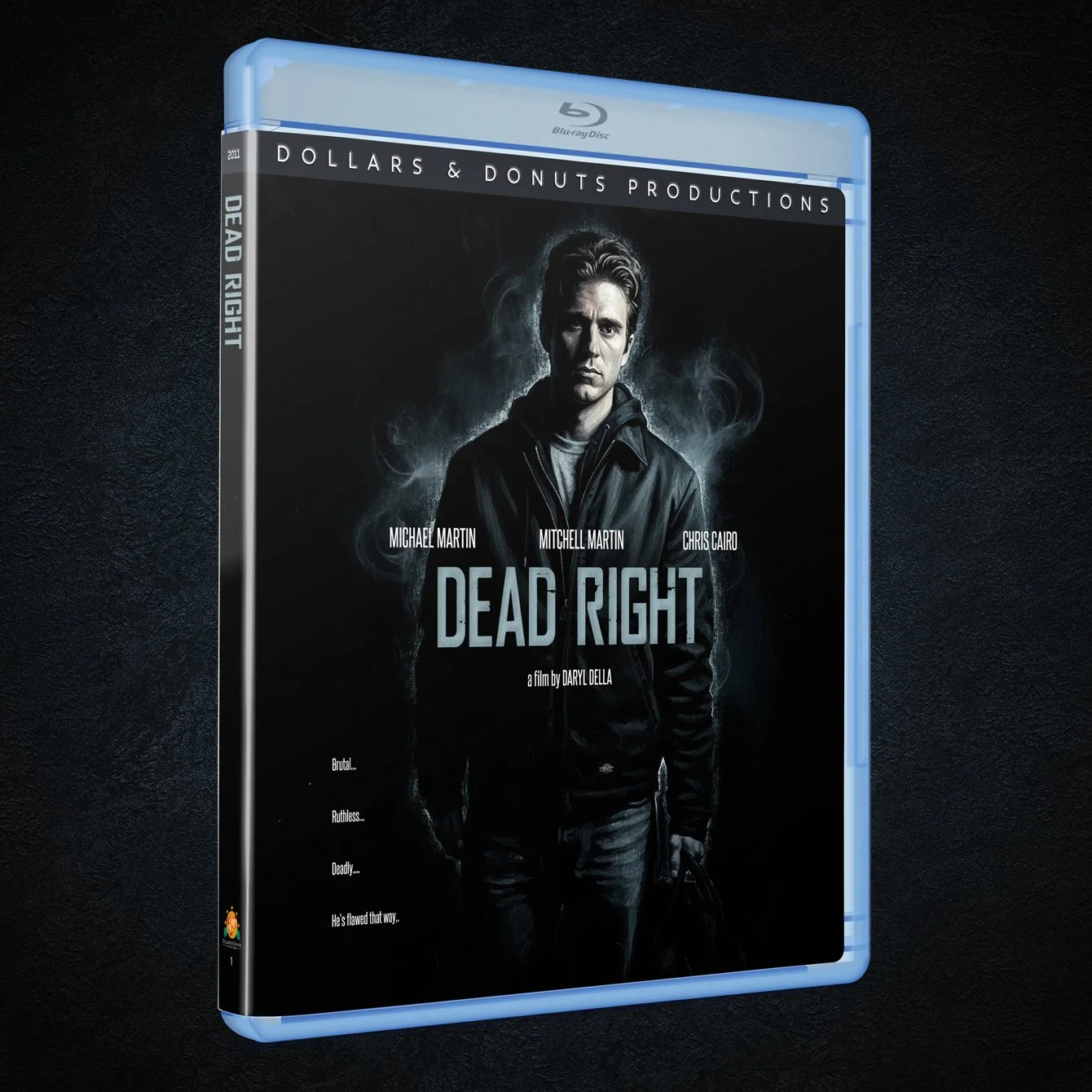
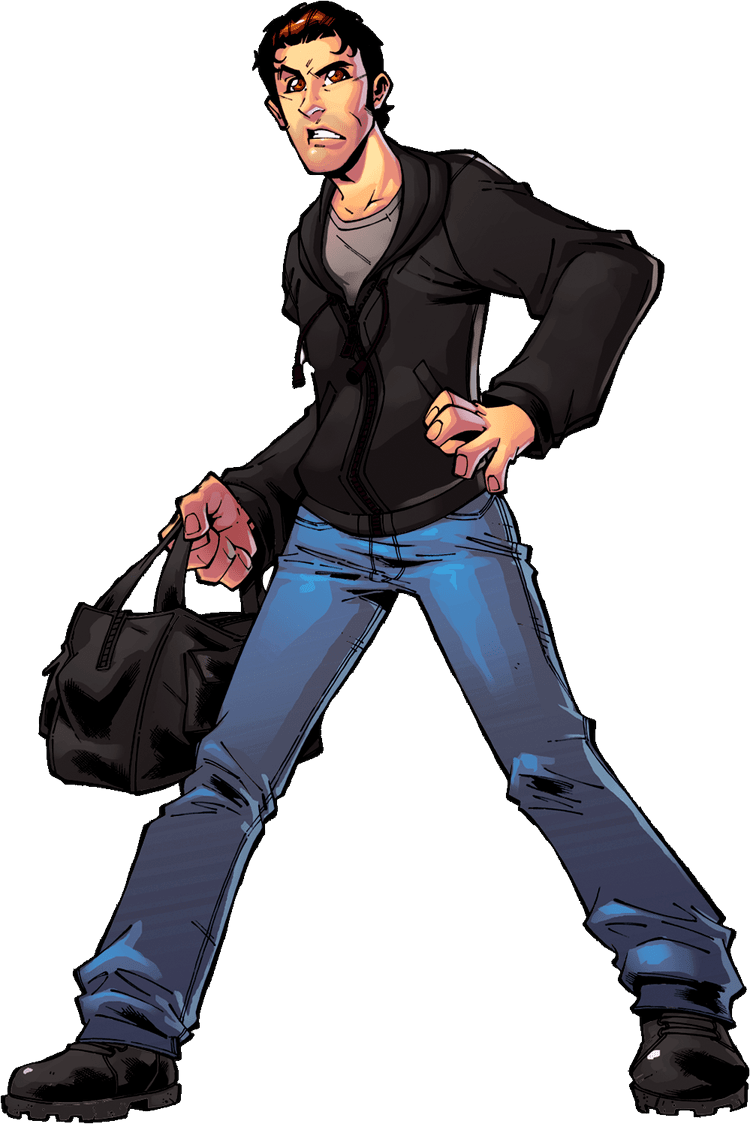
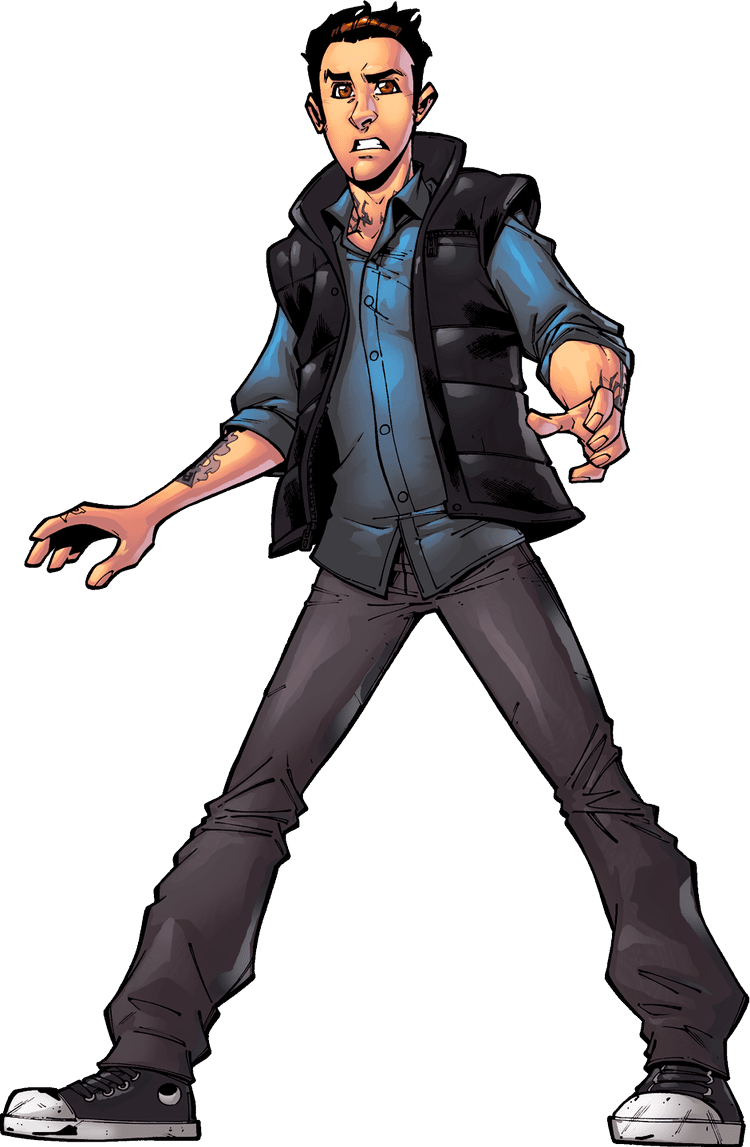
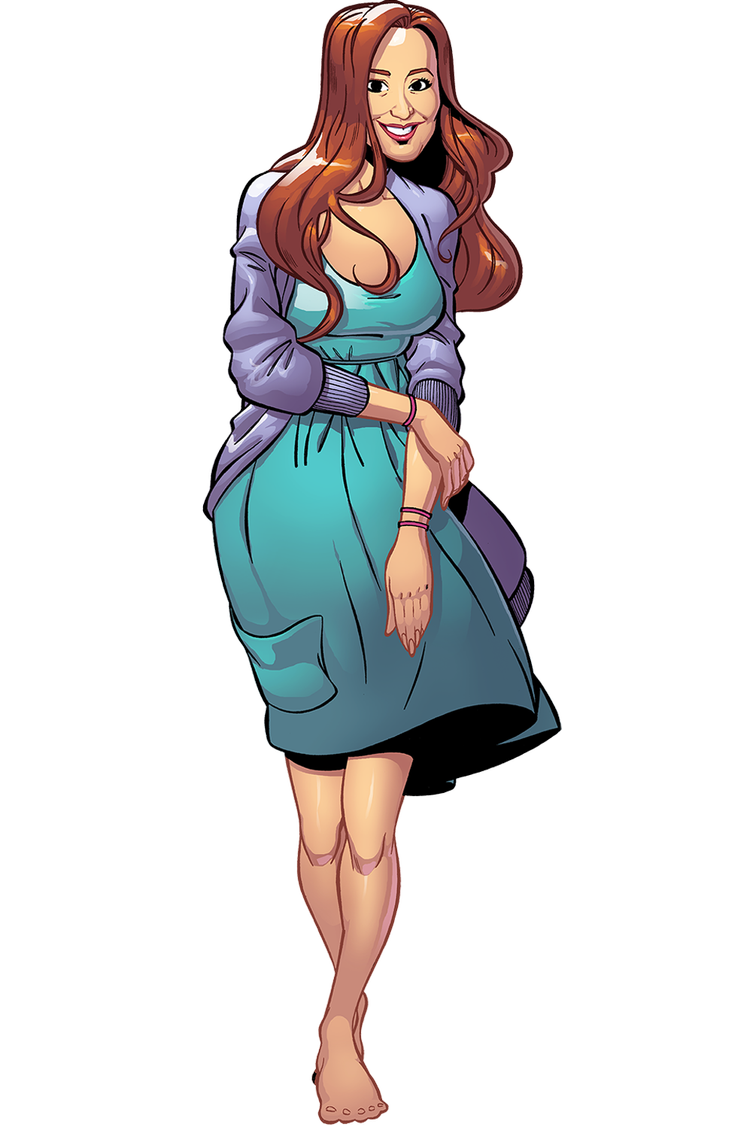
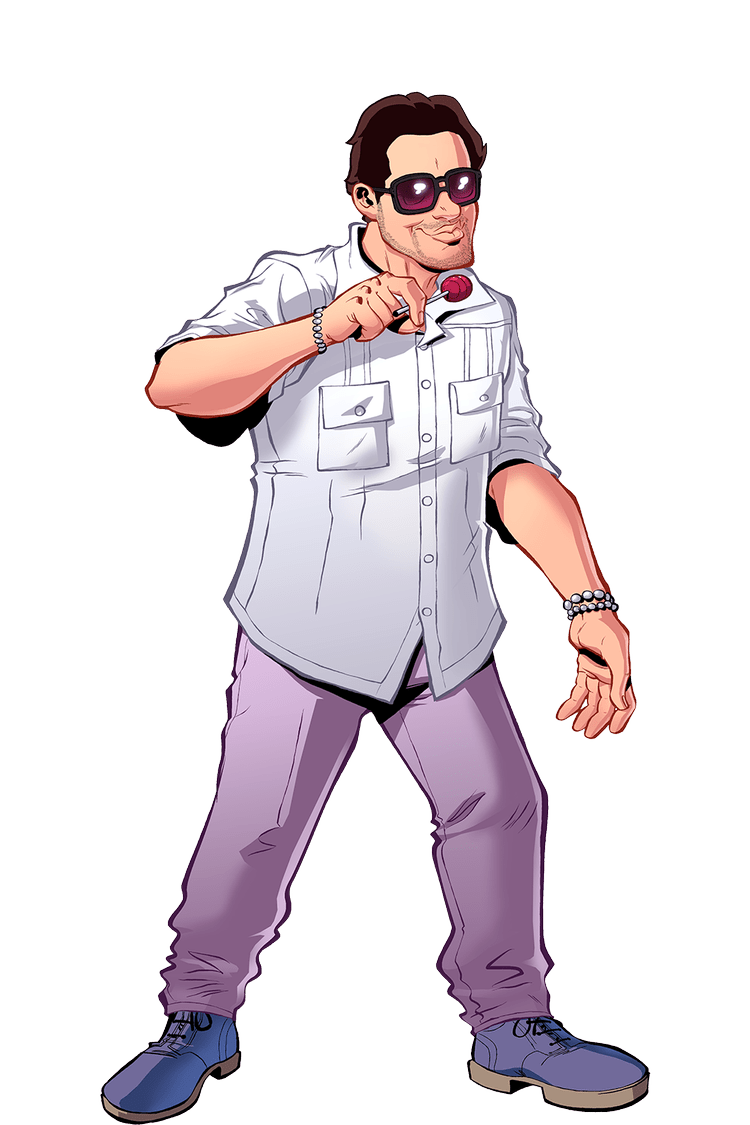
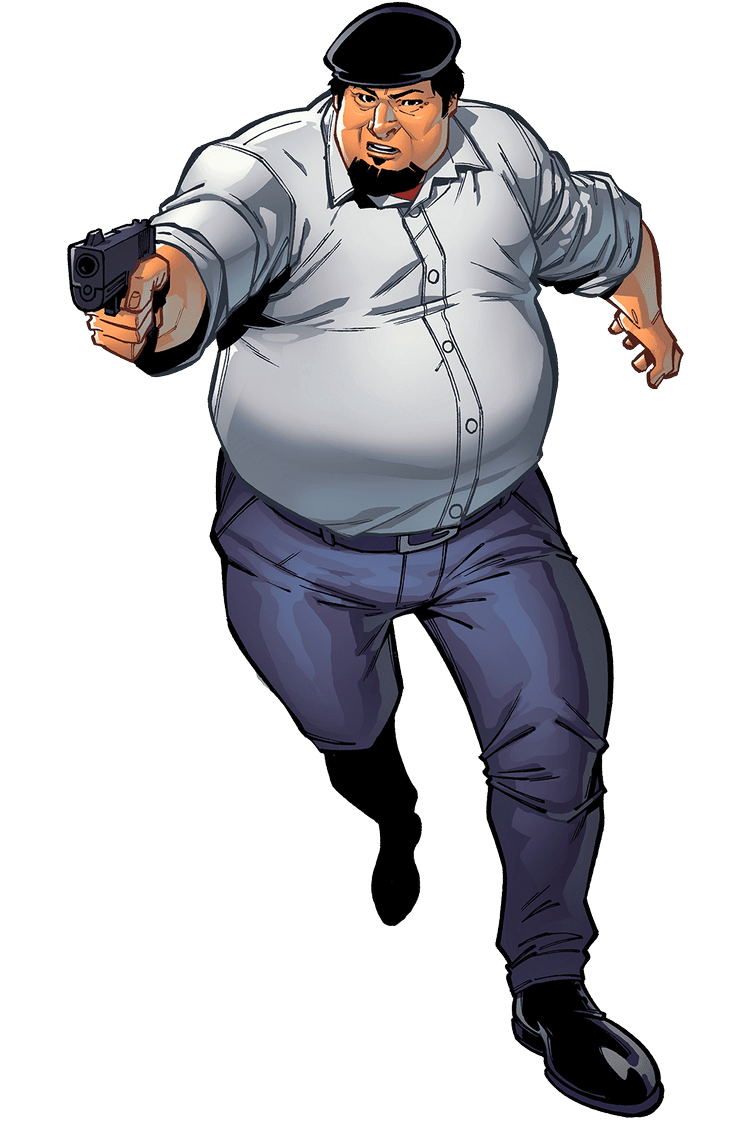
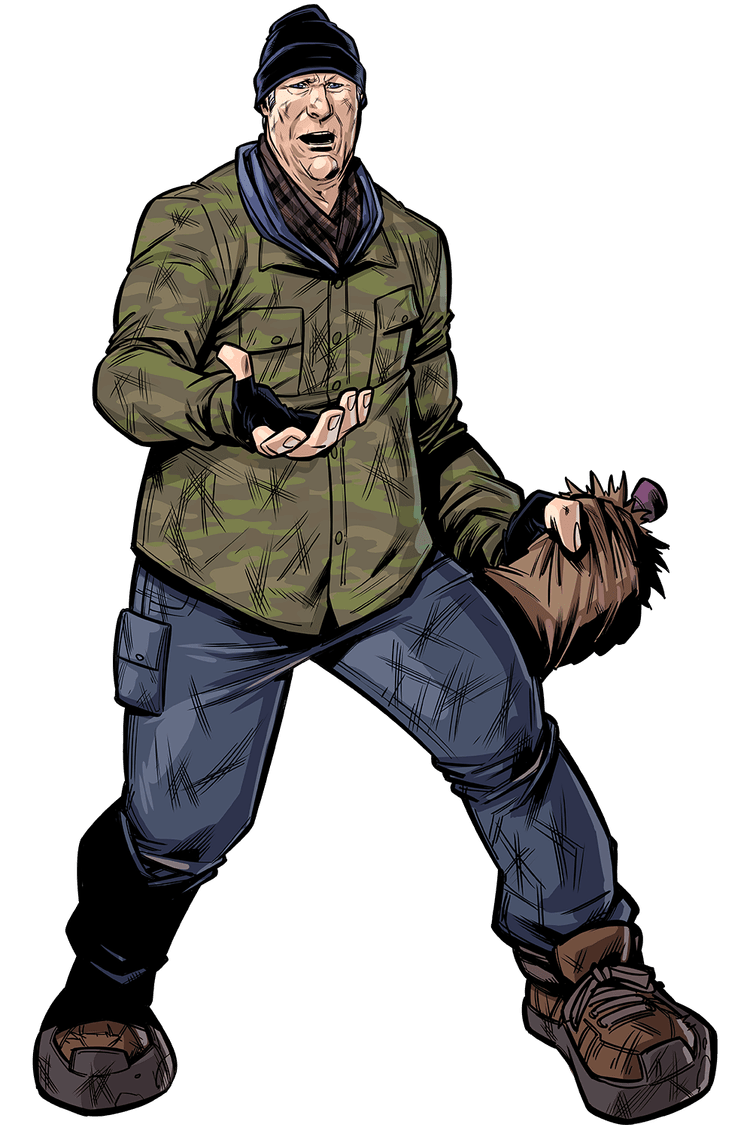
Deke Trenton (Michael Martin) served six years for a crime he didn’t commit. Now he’s out, he’s furious, and he’s ready to cut through anyone standing between him and the truth. His brother Bennie (Mitchell Martin) set him up. His friend Johnny Boy (Lorenzo Ocon) helped. And his wife Chelsea (Katie Greggans) has fallen under the sway of Sweet William (Chris Cairo), a smiling nightmare in the San Francisco underworld. Deke means to settle it all, one brutal step at a time.
Deke Trenton (Michael Martin) served six years for a crime he didn’t commit. Now he’s out, he’s furious, and he’s ready to cut through anyone standing between him and the truth. His brother Bennie (Mitchell Martin) set him up. His friend Johnny Boy (Lorenzo Ocon) helped. And his wife Chelsea (Katie Greggans) has fallen under the sway of Sweet William (Chris Cairo), a smiling nightmare in the San Francisco underworld. Deke means to settle it all, one brutal step at a time.
The original promotional trailer for Dead Right, cut around Deke Trenton’s hunt for the truth and his showdown with Sweet William.
San Francisco bartender Eric Passetti creates a signature cocktail inspired by Dead Right.

Behind the Scenes
By 2011, Dollars & Donuts had reached an uncomfortable point in its evolution. The ambition had outgrown the way the movies were being made. Number Nine had collapsed unfinished, The James Hay Hangover had never become the production originally imagined, and Daryl had moved to Los Angeles increasingly determined that unfinished films were no longer acceptable.
At the same time, the equipment was finally beginning to catch up with the aspiration. Daryl had moved from the Sony Handycam to a Canon Rebel T2i, one of the early DSLRs that suddenly made shallow depth of field and a more photographic image available to filmmakers working with almost no money.
The finished film was even cropped to an unusually wide 2.56:1 frame. There was no anamorphic lens involved and very little understanding yet of what CinemaScope actually was. Daryl simply knew that wide movies looked like movies, so he cut enormous strips off the top and bottom until the image felt appropriately theatrical.
The script came from Daryl’s father, Hank Della, mailed to him the old-fashioned way. Its title had been borrowed from an early title for Dirty Harry, and the story followed Deke Trenton through warehouses, betrayals, brutal fights, crooked deals, and considerably harsher language than Dollars & Donuts had previously allowed itself.
That change mattered. The earlier movies had generally treated profanity as something that should either be funny or earned. Here it belonged to the world. Dead Right was attempting something meaner, heavier, and more adult than the high-school-era films that preceded it.
Production initially began in familiar Dollars & Donuts fashion: move quickly, use whoever was available, and figure out everything else later. Chris Cairo was cast as Deke Trenton, Ray Revello played his brother Bennie, and the crew began shooting guerrilla-style around San Francisco.
Michael Martin was already hovering around the edges of the production, although he and Daryl still barely knew one another. They had gone to the same high school and knew of each other, had crossed paths a handful of times at Dollars & Donuts premieres and events involving Cairo, but had never really become friends.
The first time Daryl remembers meeting Michael in any meaningful sense came in Los Angeles while Cairo was visiting for Michael’s graduation. Daryl met up with Michael and members of the Martin family, and soon afterward Michael became attached to Dead Right in a role very different from the one he would eventually play. Michael Martin was originally cast as the Surgeon.
The Surgeon was a tiny post-credits appearance intended to introduce a character for whatever might come next. Before Michael took the part, Daryl had offered it to James Hay.
According to Daryl, the offer became the final rupture in their friendship. James disliked being asked to wait around for a role that might not even be filmed, and he was frustrated at again being considered for a villain instead of the lead. While drinking together one night, the argument expanded far beyond Dead Right. James attacked the people Daryl worked with, dismissed Cairo as an actor, argued that he should be playing Deke himself, and eventually threatened to throw Daryl from his balcony. Daryl walked out that night and never spoke to him again.
Michael inherited the Surgeon cameo almost by accident. Within months, he would inherit the entire movie, and half of Dollars & Donuts.
The original production eventually hit a wall. The movie was larger than the method being used to make it. Locations had to remain available, scenes had to match, equipment had to be coordinated, and the lead actor needed to be there consistently. When Cairo’s availability became difficult to reconcile with the schedule, Daryl stopped the production and recast Deke.
Michael stepped into the lead.
Chris Cairo returned later as Sweet William, a role that required substantially fewer shooting days and allowed him to concentrate everything Daryl liked about his performances into the film’s villain.
Recasting Deke created another problem: Bennie. With Ray no longer playing Deke’s brother, Michael began pitching Gino Vigil for the part. Daryl had a simpler suggestion. “Don’t you have a brother?”
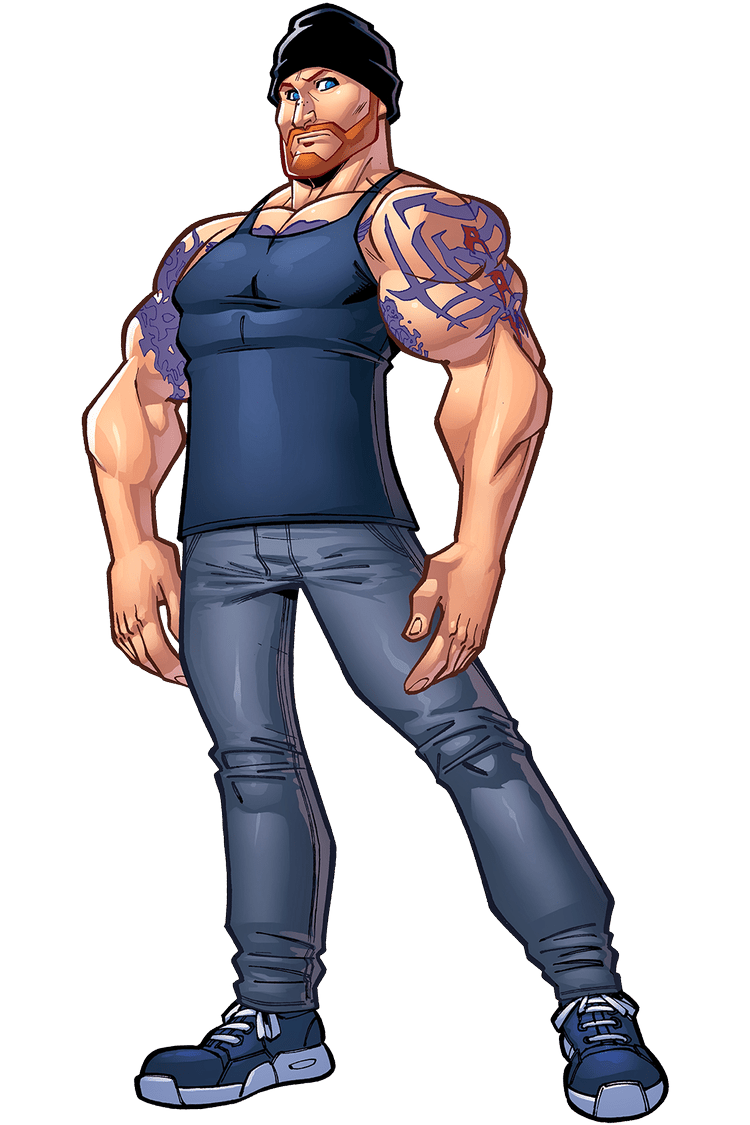
Mitchell Martin joined the film as Bennie Trenton, and that was that. The casting brought a genuine sibling relationship into the center of the movie, giving Deke and Bennie an intimacy and antagonism that did not have to be manufactured.
In another of the strange little connections surrounding the partnership, Daryl and Michael later discovered that Daryl’s aunt Vicky Edgington and Michael’s aunt Cindy Artau had been best friends since high school.
The change went beyond casting. During Dead Right, Daryl and Michael began defining Dollars & Donuts as an actual production company rather than an informal filmmaking banner. Michael brought a distinctly business-minded approach to the partnership and pushed for structure where there had previously been very little.
One of his early proposals was that he and Daryl should be credited as Executive Producers on every Dollars & Donuts project, whether or not both had been directly involved in making it.
Daryl found the idea strange, but agreed to the broader concept of formalizing the partnership. Where the two differed immediately was over Ray Revello. Michael questioned whether Ray should remain part of the company. For Daryl, that was never negotiable. Ray had been there from the beginning.
The eventual structure placed Daryl and Michael in the Executive Producer roles, with Ray and Chris Cairo established as Producers alongside them. At the time it felt like organizational housekeeping. In retrospect, Daryl sees something else beginning there too: the realization that making films with partners meant negotiating not only ideas, but ownership, authority, alliances, and whose voice ultimately carried the most weight.
The company’s new seriousness was also announced before the movie itself began. For years, the Dollars & Donuts logo had carried the rough, hand-drawn character of the Early Years: Walker sitting inside the donut, rendered with the same scratchy homemade quality as the films around him. With Dead Right, Daryl retired that version and rebuilt the logo from the ground up. The typeface was Core Humanist, a choice Daryl picked up from his childhood friend Vincent Alindogan, by then a graphic designer, who had been advocating for the font online.
Walker was now a fully animated cartoon character, cleaner, more controlled, and far more refined. Instead of simply existing inside the logo, he popped up and properly munched on a donut at its center. It was a small piece of animation, but an unusually clear statement of intent.
Dollars & Donuts wanted to be taken seriously now. That did not mean becoming anonymous or pretending the company had sprung fully formed from a professional studio. The donut stayed. Walker stayed. The joke stayed. What changed was the execution.
The new logo distilled the entire transition happening around Dead Right: polish the craft, raise the ambition, build something more professional, but do not abandon the odd little identity that had gotten the company there in the first place.
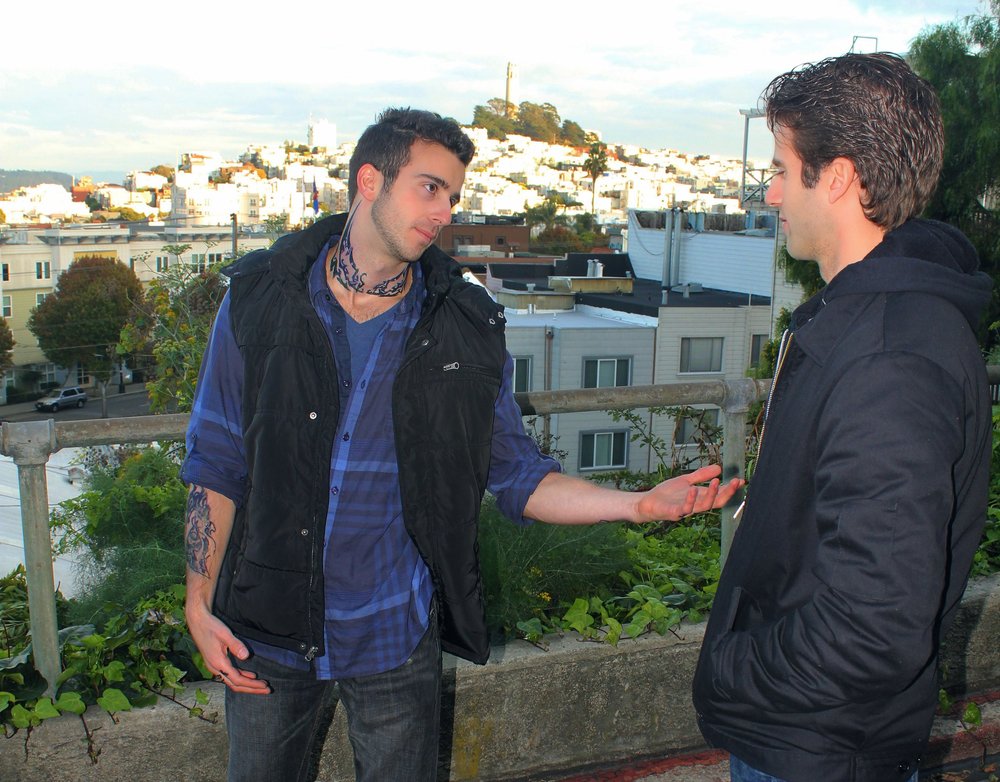
Michael wanted Bennie covered in tattoos, an idea Daryl immediately liked. The execution was less efficient. Tattoo artists Hirvin Montano and John Oázes were brought in to hand-paint the designs directly onto Mitchell, a process that took hours.
In later productions, Dollars & Donuts would simply print temporary rub-on tattoos. Why that solution didn’t occur to anybody here remains one of the production’s smaller mysteries.
The production remained resourceful even as its ambitions grew. Sweet William’s warehouse hideout came through Daryl’s mother, Nina Della, whose interior plant-service connections gave the crew access to an empty commercial property in Foster City.
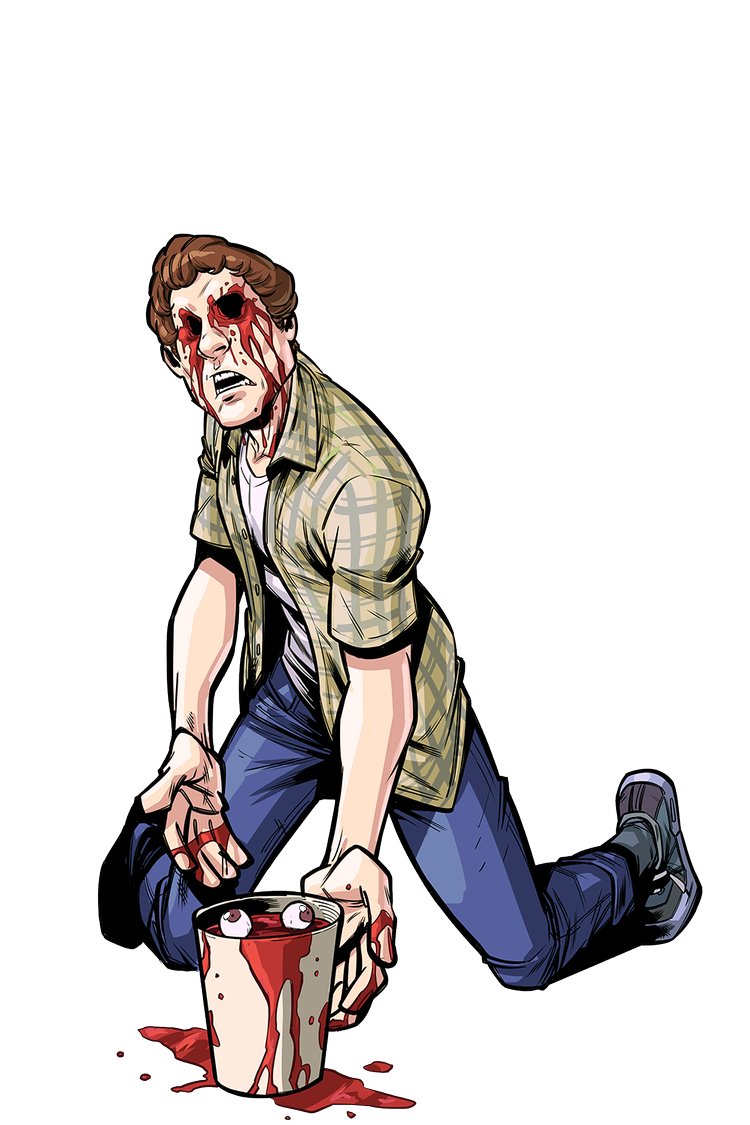
The opening scene, in which Johnny Boy meets his grisly end, was filmed in Daryl’s parents’ garage. Lorenzo Ocon played Johnny Boy just long enough for Deke to torture and kill him, including a shot in which his eyeballs are cut out. The effect became the first significant CGI gore effect attempted by Dollars & Donuts, assembled by Daryl in After Effects.
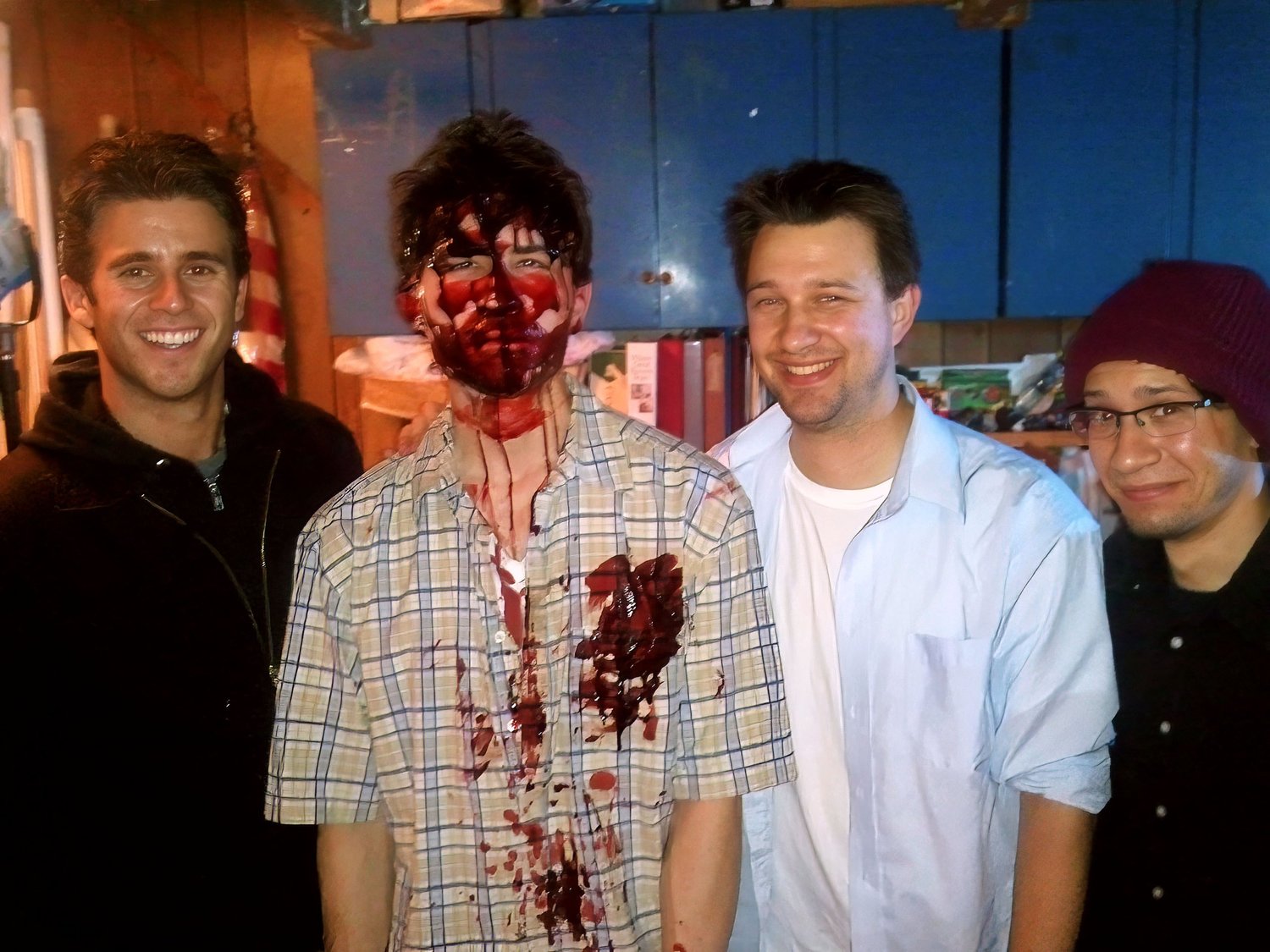
Ray remained essential behind the camera as the production’s gaffer, while Daryl’s brother Tyler handled much of the makeup work.
Bennie’s apartment was originally supposed to be filmed at Michael’s aunt’s place, but Daryl and Michael wanted something much less respectable. The script called for a filthy drug den, so the two considered who they knew with an apartment that could provide the proper atmosphere without requiring much production design.
The answer arrived quickly. Becker.
Becker Von Felsburg had not appeared in a Dollars & Donuts production since The Corpse That Got Away in 2009, but his apartment proved ideal. The authenticity extended all the way down to a discarded rib bone sitting in an ashtray. Daryl made certain to get a close-up.
Becker let the crew in and then left for the evening.
At some point during the shoot, Mitchell screamed, “I’ll fucking kill you, Deke!” loudly enough for the neighbors to call the police. Officers arrived expecting something considerably worse than a DSLR production. Daryl produced the shooting script, explained why two men had apparently been threatening to murder each other inside Becker’s apartment, and the production continued.
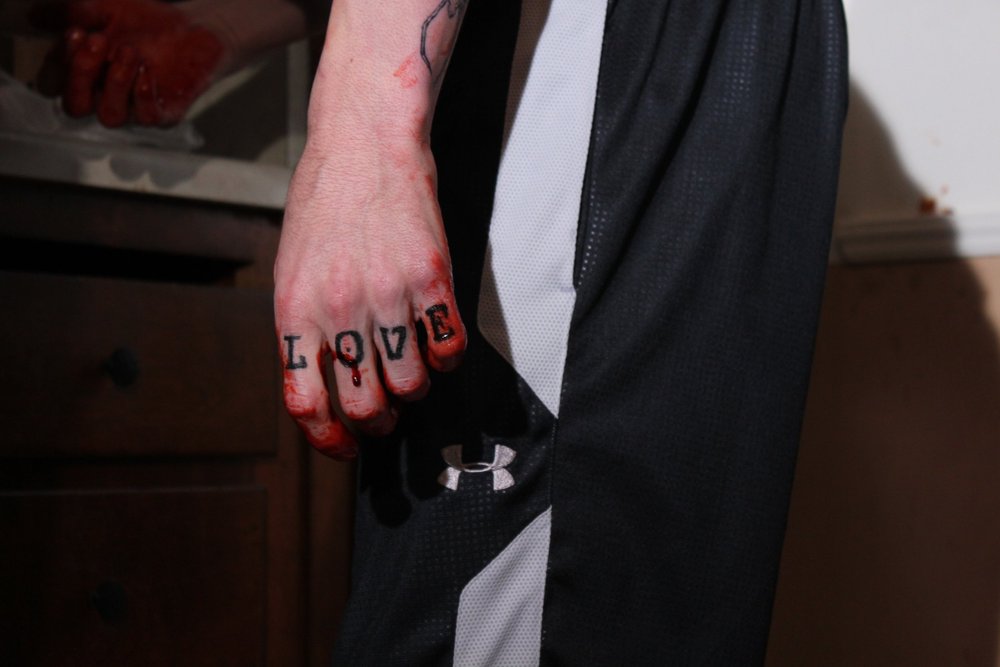
There was another reason the apartment scene mattered. Hanging in the background was the poster for The Corpse That Got Away.
It was both a tribute and a quiet declaration about what Dollars & Donuts had decided Dead Right represented. The Early Years had delighted in connecting characters and stories into one increasingly ridiculous shared universe. Here, the old movie existed as a movie. Its characters were characters. Its poster was set dressing.
In Daryl’s mind, Dead Right occupied a different level of reality. These were the “real” movies now.
He did not quite have the heart to leave the old world behind. Another scene was filmed at Gino Vigil’s West Hollywood apartment, doubling as Deke’s home. Deke drank from a bottle of Old Forester whiskey, which created a concern the increasingly legitimacy-conscious filmmakers had not worried much about a few years earlier: trademarks.
Their understanding of the rules was overly cautious. Rather than simply showing the bottle, Daryl altered it in After Effects. Old Forester became Revolver Whiskey, complete with a painted image of Mr. Ray Revolver taken from the Ninja Killface II poster.
So even as Dead Right demoted the old universe to fiction, one of its characters quietly ended up selling bourbon inside the new one.
The connection to Dirty Harry extended well beyond the borrowed title. Daryl deliberately returned to several San Francisco locations associated with Don Siegel’s film, treating the city itself as part of the homage.
One Deke-and-Bennie sequence was staged in the same alley where Harry Callahan once watched Hot Mary, with Coit Tower rising behind them. It was the kind of thing Dollars & Donuts had always done instinctively, fold its influences directly into the geography of its own movies, but now the recreations were being approached with considerably more care.
The finale required Sweet William to lose a particularly sensitive portion of his anatomy to Deke’s gunfire. Michael built a practical blood shooter powered by an air compressor and began testing it at Clear Creative Media in Lake Forest, where Daryl was working.
The original thought was to photograph blood elements against green screen and composite them into the sequence. The tests quickly demonstrated that the effect looked exactly like blood photographed against green screen and composited into a sequence.
They abandoned the idea and fired the rig practically during the actual scene. It was messier, considerably less controllable, and looked much better.
Only after principal photography was finished did Hank tell Daryl something that substantially changed the post-production plan.
Hank had never expected the movie to be made at this scale. He had imagined another small, rough Dollars & Donuts production and had written accordingly, borrowing heavily from the screenplay for True Romance, in places far more heavily than he was comfortable with once he saw how seriously Daryl had approached the material.
After seeing the footage, Hank called his son and apologized. The movie looked better than the script he believed he had given it.
Simply reshooting the borrowed material was no longer realistic. Daryl was back in Southern California, performers had dispersed, and the Foster City warehouse was already being converted into a retail space. Instead, Hank rewrote dialogue designed to change the context of the offending scenes while preserving as much of the existing photography as possible.
Daryl then brought Michael onto the green screen stage at Clear Creative Media and photographed replacement material that could be integrated into the existing scenes.
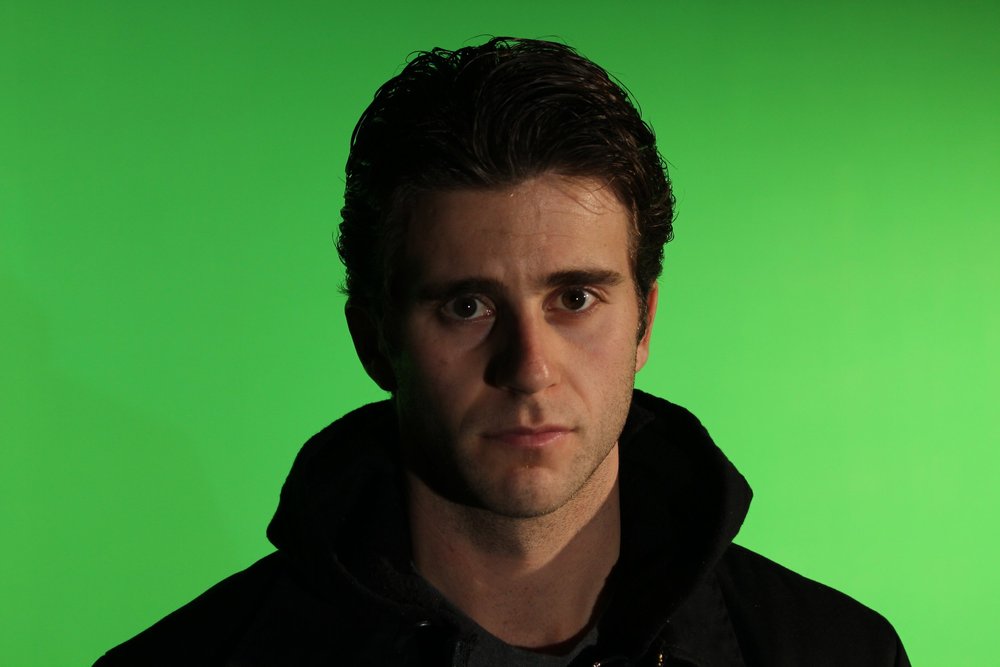
It became another technical exercise for Daryl, matching newly photographed material to footage shot hundreds of miles away and disguising the seams as convincingly as he could. More importantly, it became an exercise in rebuilding trust between father and son. Hank had never apologized to Daryl for anything before. Hearing him admit he had underestimated the film felt different.
Years later, the green screen footage of Michael as Deke would acquire another purpose entirely. Portions were repurposed for Night Dicks: Miami, when the Night Dicks crossed into the Dead Right universe. A patch created to rescue one movie had accidentally become franchise material.
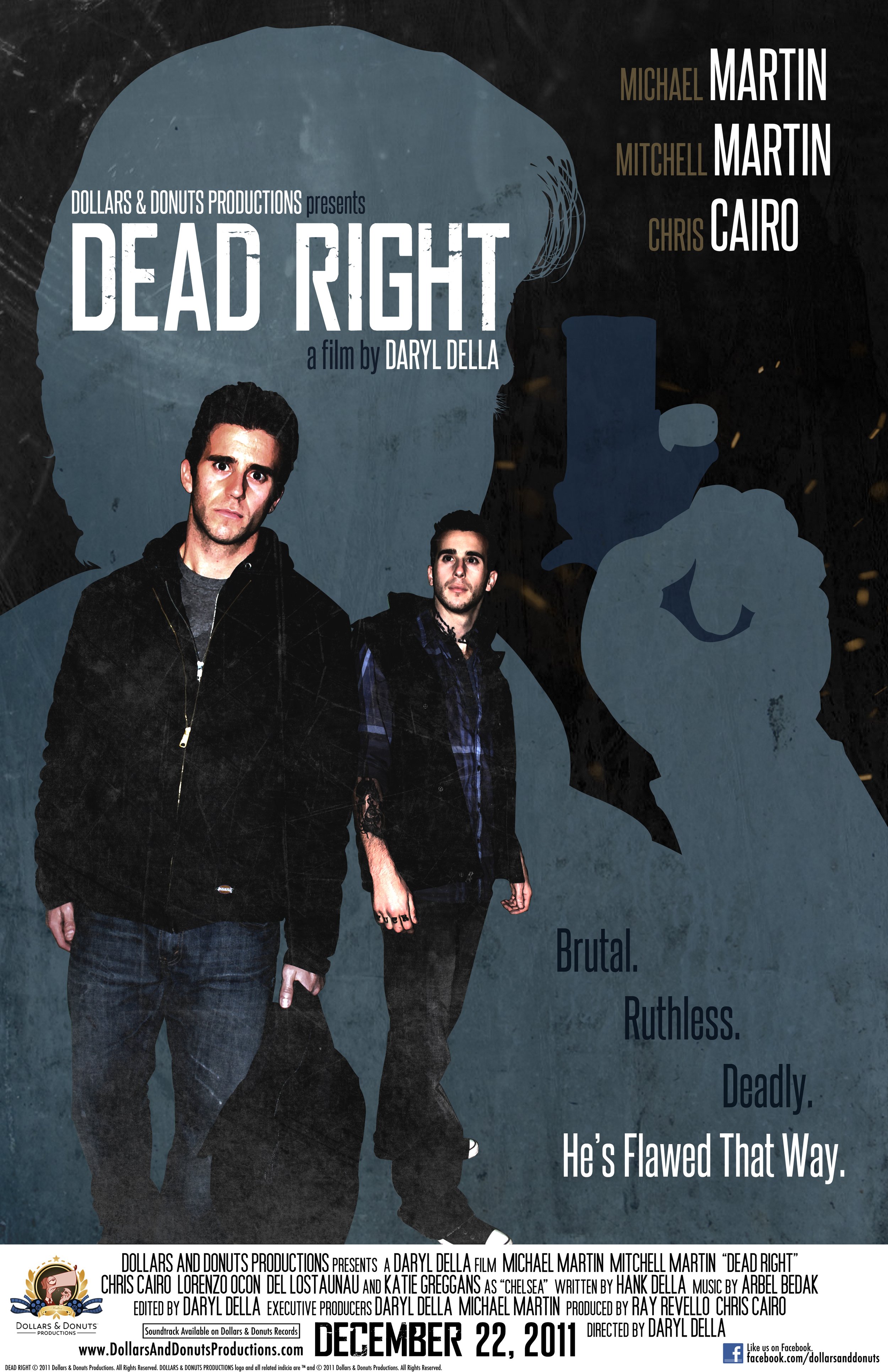
Dead Right premiered at The Blue Light in San Francisco on December 22, 2011, exactly forty years to the day after Dirty Harry had opened in the same city.
Daryl had realized the anniversary was approaching during production and deliberately locked the premiere to the date. For a movie that had borrowed its title, locations, attitude, and a considerable amount of inspiration from Eastwood and Siegel, it was too perfect to ignore.
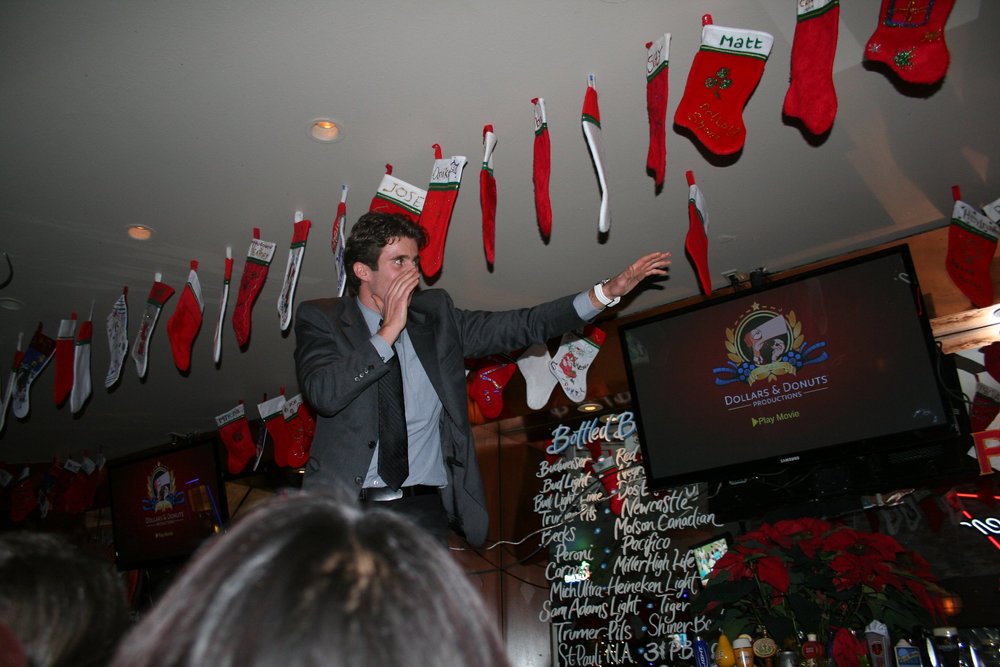
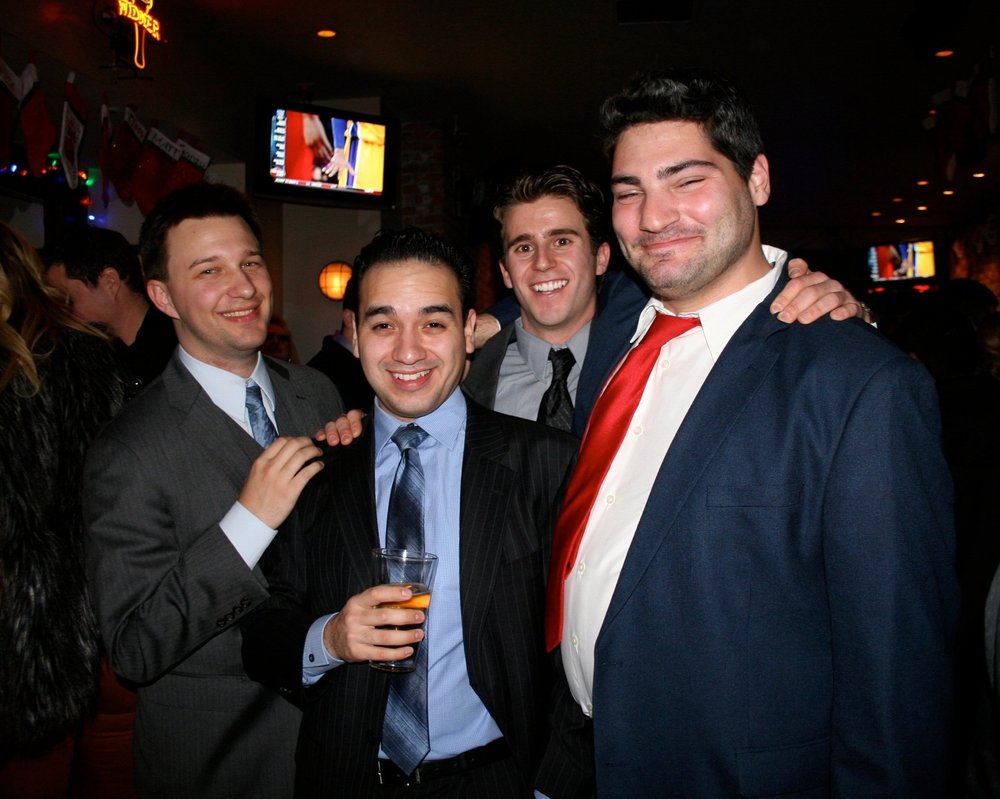
The Blue Light was packed. More significantly, the screening made the scale of the next step obvious. The bars and clubs that had hosted the San Francisco premieres since 2009 had been perfect for the earlier films, but Dead Right had begun to feel too large for them.
It became the final Dollars & Donuts movie to premiere in a bar. Beginning with the next film, the company moved its premieres into actual movie theaters.
The movie was hardly polished by later standards. The crew was still learning the DSLR, inventing effects as they went, painting tattoos by hand, losing most of a 16:9 image to a homemade CinemaScope crop, and discovering the logistics of running a production only after the production demanded them.
But that was precisely why Dead Right mattered.
It was the first time Dollars & Donuts attempted to solve those problems rather than simply accepting them as part of making something cheaply. Recasting the lead instead of abandoning the film, securing substantial locations, creating practical and digital effects, organizing a larger crew, formalizing the company, redesigning its identity, scheduling additional photography hundreds of miles away, and mounting a real premiere all came from the same emerging conviction: the movies could be bigger if the people making them behaved as though they were.
That conviction would define the next several years. So would some of the tensions introduced alongside it. The new partnership gave Dollars & Donuts resources, structure, ambition, and momentum it had never possessed before. It also introduced questions about authority and creative ownership that had barely existed when the company was simply Daryl, Ray, a camera, and whoever happened to be around.
One week after the premiere, Hank handed the team another script.
The script for Dead Right II.